

RAW MATERIALS FOR TEA
The raw materials for tea primarily come from the Camellia sinensis plant, which is cultivated in tropical and subtropical climates. Here’s a breakdown of the key raw materials and components involved in tea production:
Key Raw Materials for Tea
- Tea Leaves:
- The young, tender leaves and buds of the tea plant are the primary raw materials.
- Varieties include Camellia sinensis sinensis (Chinese tea) and Camellia sinensis assamica (Indian Assam tea).
- The quality of tea depends on the flushes (newly formed leaves and buds) harvested.
- Herbs and Botanicals (for herbal teas):
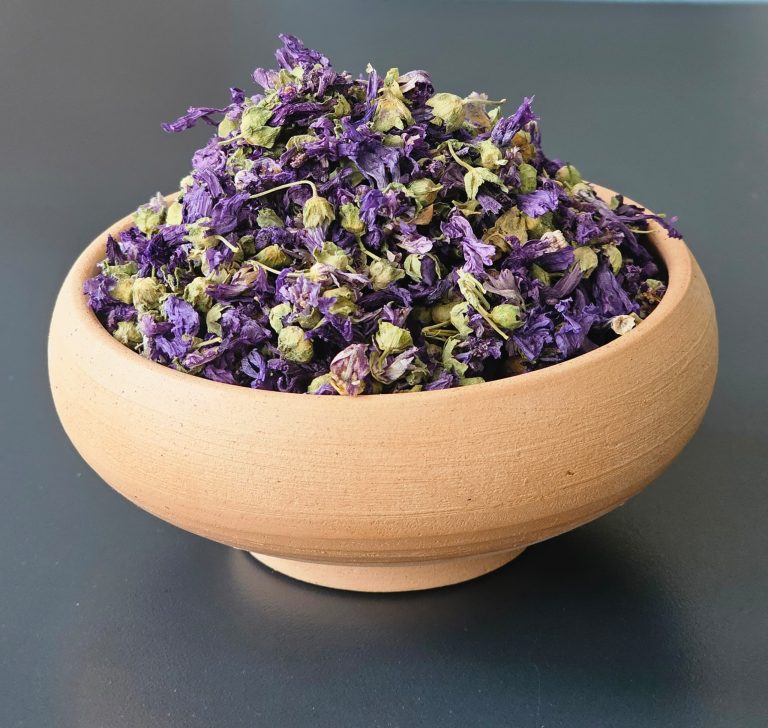
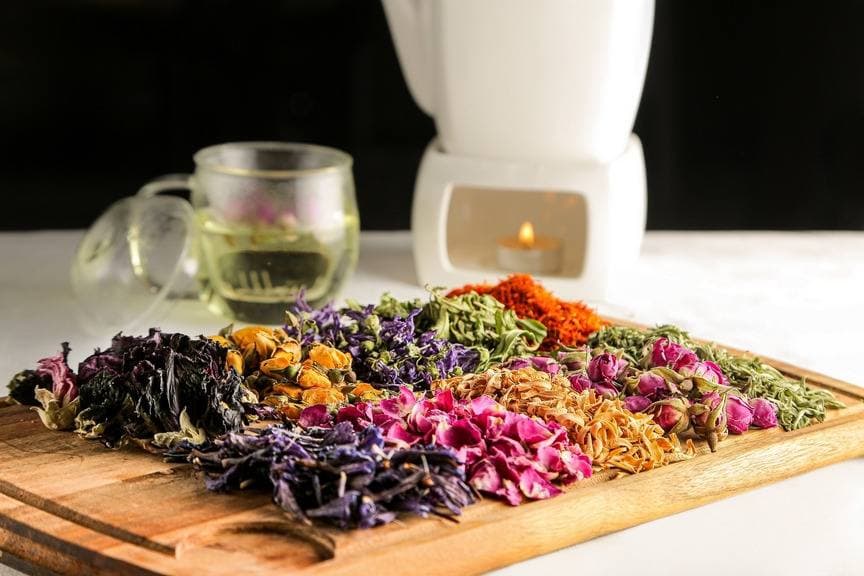
- Ingredients like chamomile, peppermint, hibiscus, and lemongrass are used for herbal infusions.
- These are often blended with tea leaves or used on their own.
- Flavorings and Additives:
- Natural flavorings such as bergamot oil (used in Earl Grey), vanilla, or fruit extracts.
- Spices like cinnamon, cardamom, and cloves are added for spiced teas.
- Water:
- Essential for processing tea leaves, especially during withering, rolling, and fermentation stages.
- Packaging Materials:
- Tea bags, sachets, or loose-leaf packaging materials like paper, foil, or biodegradable pouches.
A title
Image Box text
A title
Image Box text
Types of Tea and Their Processing
- Green Tea: Made from unoxidized leaves, retaining their natural color and antioxidants.
- Black Tea: Fully oxidized leaves, resulting in a robust flavor and dark color.
- Oolong Tea: Partially oxidized, offering a balance between green and black tea.
- White Tea: Minimally processed, using young leaves and buds.
- Herbal Tea: Made from herbs, flowers, and spices, without actual tea leaves.
Tea production is a meticulous process that involves harvesting, withering, rolling, oxidation (for certain types), drying, and packaging. Each step contributes to the unique flavor and aroma of the final product.
Tea is not just a taste, it can be a memory
Tea is an evergreen shrub (bush) native to East Asia. Tea is a beverage that is primarily popular for its aroma and it is mostly made by pouring hot or boiling water over leaves of the Camellia sinensis or it is usually brewed in some countries. In fact, it has the highest consumption in the world after water. There are also many different types of tea; some, like Chinese greens, and Darjeeling have a slightly cooling astringent, and bitter flavor, while others are drastically different that taste like sweet, nutty, floral, or grass. Due to its caffeine content, Tea has an energizing effect which sometimes removes fatigue and brings freshness to the body.

A title
Image Box text