Products
Alborz Herbs ensures the quality of the prepared produced products, fully.


Alborz Herbs ensures the quality of the prepared produced products, fully.
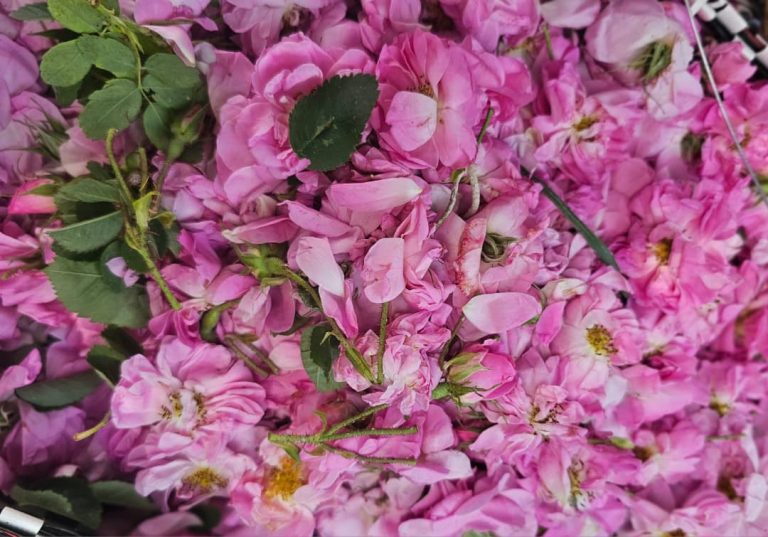
Rose water is a fragrant liquid made by steeping or distilling rose petals in water. It has been cherished for centuries for its culinary, cosmetic, and medicinal uses. Originating in ancient Persia(IRAN), rose water is still widely used today in various cultures around the world.

Image Box text

Image Box text
Uses of Rose Water
Image Box text
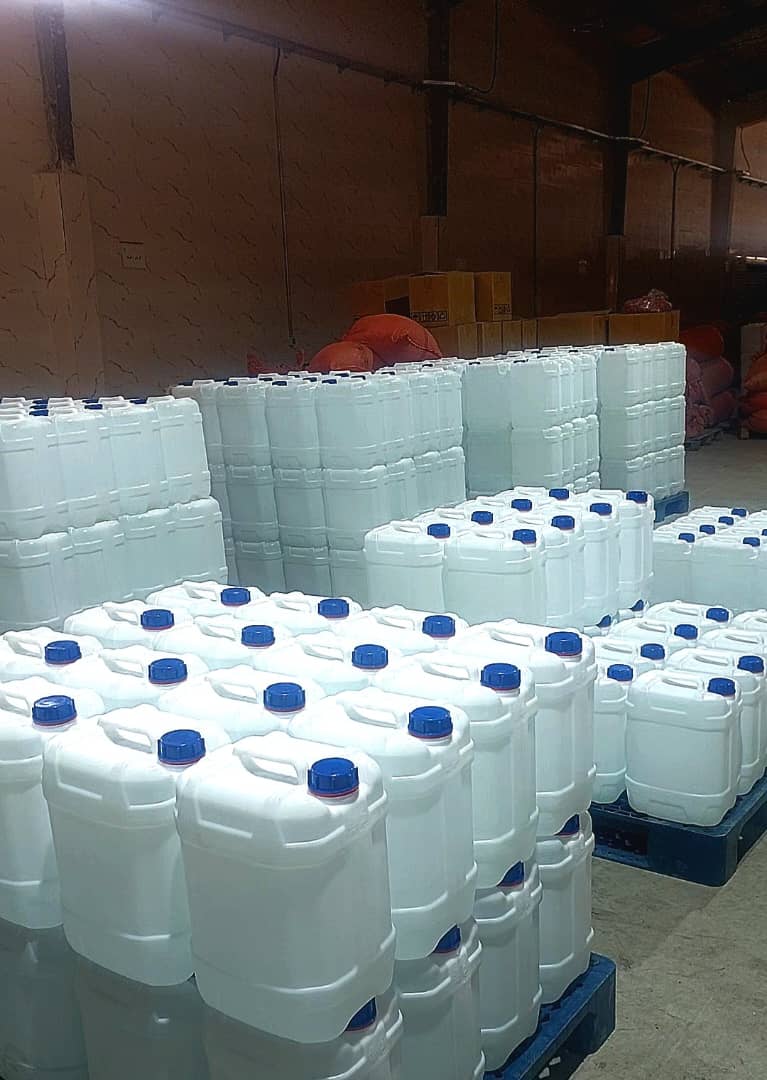
Image Box text
Rose water is a fragrant liquid obtained by distilling fresh rose petals, typically from the Rosa damascena species. It is widely used in culinary, cosmetic, and medicinal applications. Here are some key specifications:
Nutritional Value of Rose Water
Rose water is primarily composed of water and contains minimal nutrients. Here's an approximate nutritional profile per 100 grams:
While rose water itself is not a significant source of nutrients, it contains trace amounts of antioxidants and bioactive compounds derived from rose petals, which contribute to its therapeutic properties.
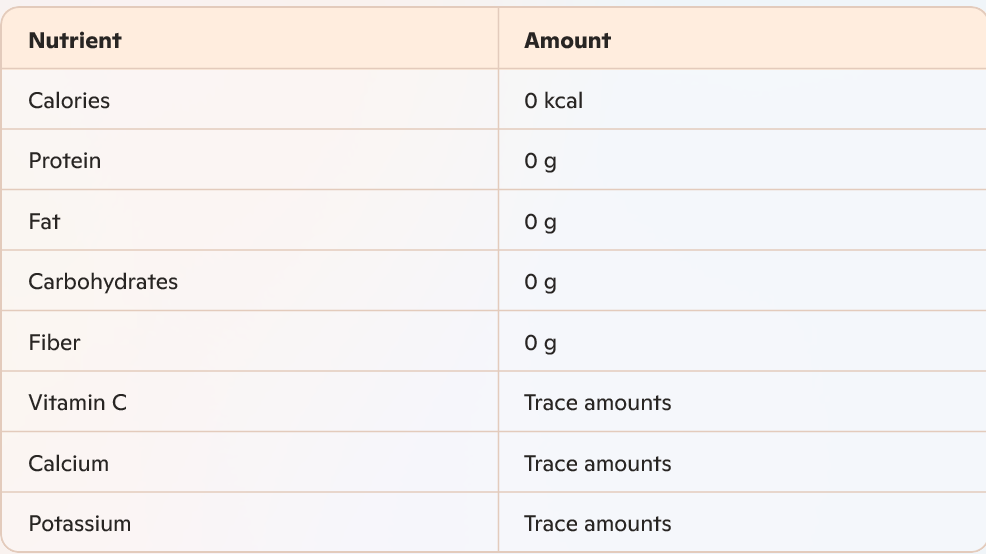
Image Box text
At Alborz Herbs, we proudly offer one of nature’s most exquisite botanical treasures: pure rose oil, steam-distilled from fresh Rosa damascena petals grown in the heart of Iran’s legendary rose fields.
Renowned for its anti-aging, anti-inflammatory, and aromatherapeutic properties, rose oil is a premium ingredient in luxury skincare, clean beauty formulations, and wellness rituals worldwide.

Image Box text
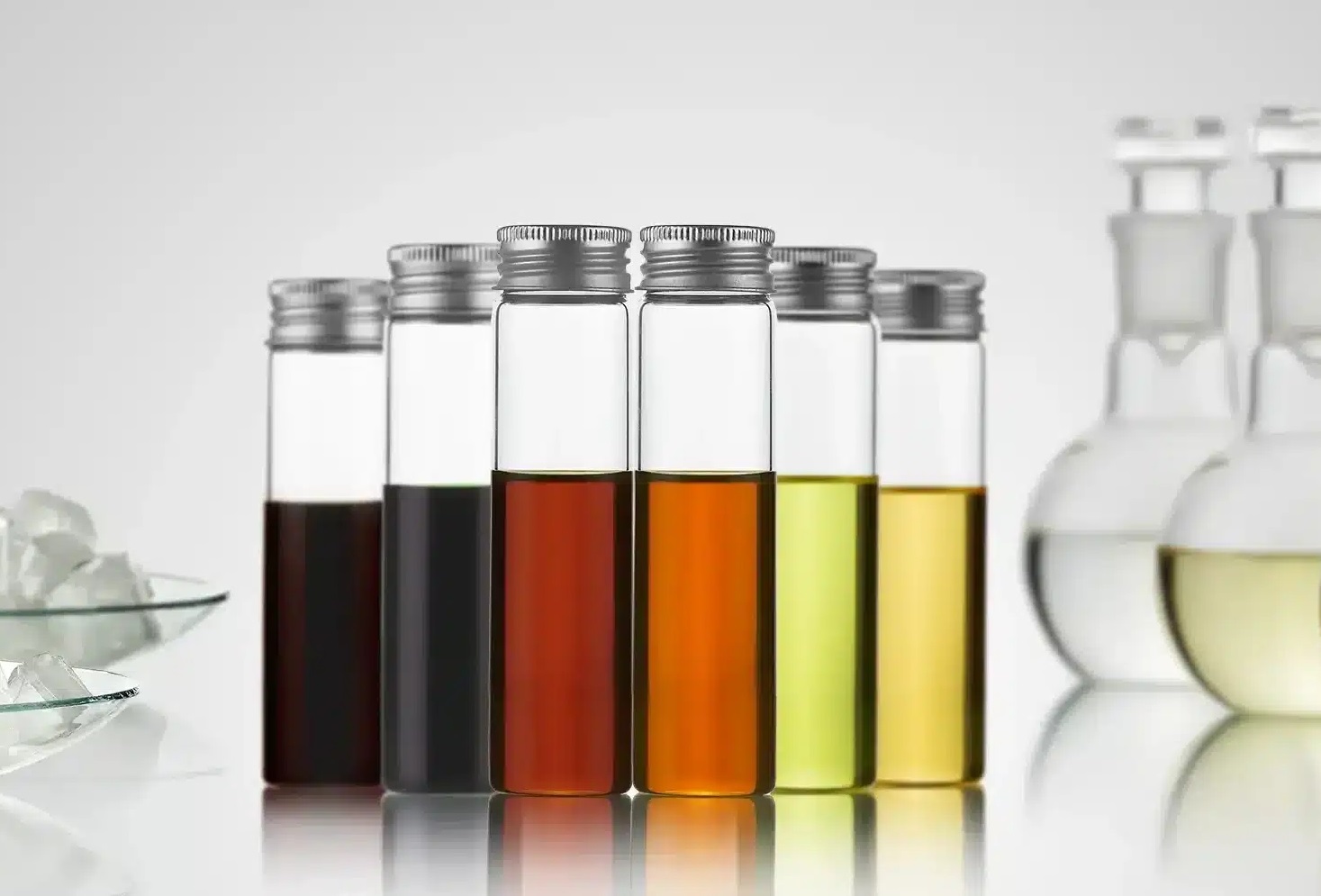
Image Box text
Whether you're formulating a rejuvenating serum, a soothing facial mist, or a high-end fragrance, our rose oil delivers unmatched purity, potency, and elegance.

Our Spring Orange Oil is a vibrant, cold-pressed essential oil extracted from the zest of fresh spring-harvested oranges. With its uplifting aroma, natural antibacterial properties, and skin-brightening effects, it’s a favorite among formulators in skincare, hair care, and wellness products.
Image Box text
Image Box text
Whether you're crafting a revitalizing face mist, a natural deodorant, or a citrus-infused shampoo, our Spring Orange Oil brings radiance, purity, and performance to your formulation.

Iran’s Hidden Gem for Natural Skincare & Haircare
We proudly present our premium-grade Wild Pistachio Oil (Baneh Oil), extracted from the native pistachio trees of Iran. Rich in essential fatty acids, antioxidants, and anti-inflammatory compounds, this oil is a powerful ingredient for clean beauty formulations.
Image Box text
Image Box text
Our oil is: 100% pure, cold-pressed, and sustainably sourced, perfect for brands seeking authentic, high-performance botanical ingredients.
We welcome partnerships with cosmetic manufacturers, distributors, and clean beauty brands in Japan, Europe, and beyond.

A spice includes a seed, fruit, root, bark, salt, or other plant substances. Spices are essentially used for flavoring or coloring food. Traditionally, spices are used as flavors for food but nowadays, they are consumed in medicine, cosmetics or perfume production. Botanically, spices can be categorized based on their source of plant part as following: Seeds or Fruits: Examples include fennel, nutmeg, coriander, fenugreek, mustard, and black pepper, etc. Leaves of aromatic plants: basil, bay leaf, rosemary, thyme, etc. Bark: Cinnamon, Cassia, etc. Bark or Roots: such as include garlic, galangal, turmeric, ginger, etc. Health benefits of Spices Spice up your meal and build a healthy immune system with spices in your diet! Spices not just bring an extra taste to your dishes but also consist of a lot of great components such as antioxidants, minerals, phytonutrients, essential oils and vitamins that are totally beneficial for our body. Spices are composed of plant-derived chemical compounds that are well-known for having properties to treat diseases and improve health. The components in the spices also have anti-inflammatory, carminative, anti-flatulent, and also an anti-clotting function which prevents stroke episode, and coronary artery disease through easing blood flow. In fact, the treatment of colds, influenza, mild fevers, indigestion, stomach upset, and painful menstruation are some of diseases that decoction of certain healthy spices is used for. Spices are mostly available in the form of powder but in Alborz Herbs, we provide you the high-quality spices in different sizes and forms with the taste of Iran’s nature.

Image Box text

Image Box text
Spice up your meal and build a healthy immune system with spices in your diet!
Spices not just bring an extra taste to your dishes but also consist of a lot of great components such as antioxidants, minerals, phytonutrients, essential oils, and vitamins that are totally beneficial for our body. Spices are composed of plant-derived chemical compounds that are well-known for having properties to treat diseases and improve health. The components in the spices also have anti-inflammatory, carminative, anti-flatulent, and also an anti-clotting function which prevents stroke episode, and coronary artery disease through easing blood flow. In fact, the treatment of colds, influenza, mild fevers, indigestion, stomach upset, and painful menstruation are some of the diseases that decoction of certain healthy spices is used for.
Spices are mostly available in the form of powder but in Alborz Herbs, we provide you high-quality spices in different sizes and forms with the taste of Iran’s nature.

Image Box text

Image Box text
Coriander is a fragrant herb, rich in antioxidant that holds a lot of culinary uses and health benefits. The level of blood sugar may be reduced by these seed and also, they fight infections, and improve your heart, brain, skin, and digestive health. as a consequence, it can be used for dietary purposes.
Nutritional Value of Coriander Seeds
|
Calories 5.4 |
Serving Size: tsp (1.8g grams) |
% Daily Value |
|
Total Fat |
0.3g grams |
0% |
|
Saturated Fat |
0g grams |
0% |
|
Polyunsaturated Fat |
0g grams |
|
|
Monounsaturated Fat |
0.2g grams |
|
|
Cholesterol |
0mg milligrams |
0% |
|
Sodium |
0.6mg milligrams |
0% |
|
Potassium |
23mg milligrams |
1% |
|
Total Carbohydrates |
1g grams |
0% |
|
Dietary Fiber |
0.8g grams |
3% |
|
Protein |
0.2g grams |
|
|
Vitamin A |
|
0% |
|
Vitamin C |
|
0.6% |
|
Calcium |
|
1% |
|
Iron |
|
1.6% |

As one of the famous Iranian natural products in the world, Saffron is cultivated in the northeast of Iran. Its vivid crimson stigma is used as an agent in coloring and seasoning food as well as confectionery products. It is the threads (stigmas) from the saffron Crocus sativus flower. In every single flower, there can only be found three saffron stigmas (female part) which are referred to as saffron threads. These threads must be hand-picked and also, sorted by hand so that’s why it is so precious and expensive.

Image Box text

Image Box text
Organic Saffron is a product stemming from organic sources that Paradis Plants offers to the customers. Our saffron comes with its high coloring and fragrant ability. Organic saffron is grown in our finest lands of Khorasan and are regularly inspected by certifying organizations. Our saffron cultivators put all their efforts to work in order to produce a top notch saffron.
Negin Saffron: a new variety of saffron that is longer and thicker than common saffron.
Sargol Saffron (All red saffron): it is pure saffron and contains the stigma without the style. Out of 105 kg of saffron flowers, one can collect 1kg of Sargol saffron.
Pushal Saffron (Mancha saffron): Pushal saffron refers to the stigmas with a 3-5mm style. 1kg of Pushal saffron is collected out of 101kg of saffron flowers.
Daste Saffron (Bunches Saffron): Daste saffron includes the stigma with the whole style.
Style Saffron: Style saffron only contains the style without the stigma.

Image Box text

Image Box text
The active ingredients existing in saffron consists of many therapeutic applications in many traditional medicines since a long time as anti-spasmodic, carminative, diaphoretic.
It is shown in some research studies that safranal, which is a volatile oil, is effective on cancer cells with its the antioxidant, cytotoxic reserve, and has anticonvulsant and antidepressant properties.
It has been found that the carotenoid compound, α-crocin, which is the cause that the spice has a special golden-yellow hue, has antioxidant, antidepressant, and anti-cancer properties.
|
Amount Per Serving: 310 Calories |
Serving Size: 100 g |
% Daily Value |
|
Total Fat |
5.9g |
8 % |
|
Saturated Fat |
1.6g |
8 % |
|
Sodium |
148mg |
6 % |
|
Total Carbohydrate |
65g |
24 % |
|
Dietary Fiber |
3.9g |
14 % |
|
Protein |
11g |
22 % |
|
Vitamin D |
0.00mcg |
0 % |
|
Calcium |
111.00mg |
9 % |
|
Iron |
11.10mg |
62 % |
|
Potassium |
1724mg |
37 % |

Image Box text

Alborz Herbs provides you with different grades of best Iranian pistachios. We use several methods such as sun drying, or through the use of specialized industrial dryers. Today, pistachios are produced in many regions of the world, and all cultures and countries add them into their food as the main ingredients. Our pistachios' taste is exquisite and unforgettable.

Image Box text
Image Box text
Pistachio Kernel and Pistachio Green Kernel Alborz Herbs Kernel And Green Kernel Pistachio ranges in seven grades. Grade S Grade A Grade B Grade C Grade D Grade F Grade G Jumbo Iranian Pistachio (Kalle-Qouchi) Size: 20/22 to 24/26 Type Available: Natural Pistachio/ Mechanically Opened Pistachio / Closed Pistachio / Roasted Pistachio / Roasted and Salted Pistachio /Roasted and salted pistachio with added lime Long Iranian Pistachio (Akbari, AHMADAGHAEE, BADAMI) Size: 20/22 to 24/26 Type Available: Natural Pistachio/ Mechanically Opened Pistachio / Closed Pistachio / Roasted Pistachio / Roasted and Salted Pistachio /Roasted and salted pistachio with added lime Round or Fandoghi Pistachio Size: 28/30 to 32/34 Type Available: Natural Pistachio/ Mechanically Opened Pistachio / Closed Pistachio / Roasted Pistachio / Roasted and Salted Pistachio /Roasted and salted pistachio with added lime
One of the symbols of Iranian culture is the pistachio and is mostly used in special gatherings and ceremonial events and celebrations. Iran’s pistachio has many fans around the world since it has excellent quality and is therefore among the most important examples of Iranian exports to the global markets. The significant advantage of the Persian pistachio over the rest of the pistachios is its great variety and the favorable and economical price. Valuable nutritional compounds such as protein, minerals, antioxidants, and vitamins are found in Kernels inside crusts. As a rich source of useful components, pistachios are full of protein, iron, zinc, calcium, potassium, and many other minerals. With different types and tastes, each grade of pistachio has its special features. Overall, nuts are beneficial for the health of the body. In Iran, Pistachio is among the top exported products and Iranian Pistachio is famous around the world.
Image Box text

Red jewels of Iran’s land taste like nature. Iran’s unique farms have the largest share of Barberry production in the world and therefore, we can provide our customers with the best quality in the market. Barberries are the ornaments on your dish. The sour and acidic taste of Barberry Vulgaris beautifully mixes with other flavors. The seedless fruit is produced in two grades: Pofaki and Anari. In addition, frozen barberry fruits, barberry powder, barberry concentrates, barberry stem barks, and roots powder are produced in our company for using in different industries such as pharmaceutical, culinary, and food industries. Plus, barberry consists of valuable nutrients such as protein, carbohydrates, sodium, fibers and it is rich in vitamin C. It has 316 calories of energy per 100 grams. Barberry is a source of large amounts of Pectin. In addition, barberry fruits have a lot of health benefits. In fact, they have been used in the treatment of diarrhea, stomach upset, and fever for many centuries. In Iran, it is popular to use it for the treatment of liver and gallbladder disorders. Barberry Tea is said to have a soothing effect and is used to treat heartburn. It is also useful to treat fever and lung infections. Since there exists an antifungal and anti-inflammatory substance in barberry, it is additionally used to treat inflammation around the privates and the urinary tract. Barberry is also useful as a remedial factor for nasal-related issues such as Bronchitis, nasal congestion, sore throat.

Image Box text

Image Box text
| Typical Values | Per 100g | Per Portion (25g) |
| Energy | 316 calories | 79.1 calories |
| Protein | 3.6g | 0.9g |
| Carbohydrates | 63.9g | 16g |
| _of which sugar | 27.2g | 6.8g |
| Fat | 3.5g | 0.9g |
| _of which saturates | 0.5g | 0.1g |
| Fiber | 7.4g | 1.9g |
| Sodium | 0.017g | 0.004g |
| Vitamin C | 24mg | 6mg |

Image Box text

At Alborz Herbs, we supply top-grade cumin seeds (Cuminum cyminum), carefully sourced and processed to meet the highest standards of quality, flavor, and purity.
Cumin is widely valued in the food, spice, and health supplement industries for its digestive benefits and bold aroma. Our cumin is sun-dried, machine-cleaned, and available in bulk or private-label packaging for international buyers.
We export directly from Iran to Europe, Asia, and the Middle East with full quality certifications.

Image Box text
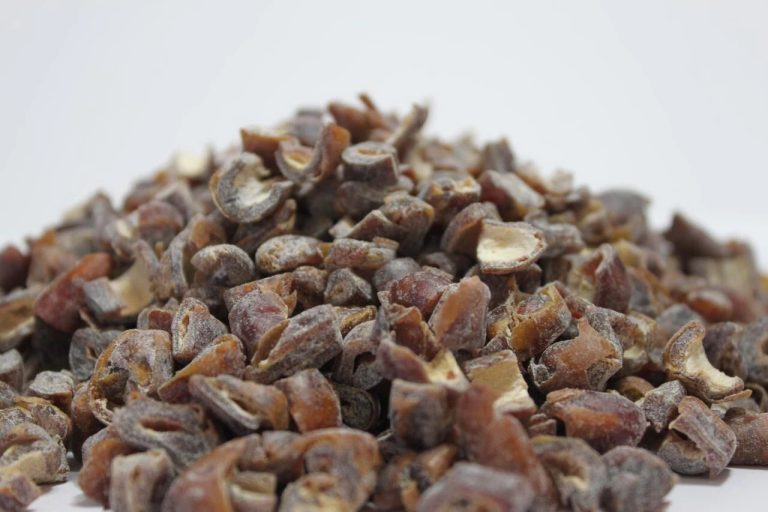
Iran`s climate gives us this opportunity to grow a variety of fruits. Provided by a wide range of sun-dried products, we have confirmation to export high-quality products in special packages to match your needs. In comparison to fresh fruits, dried fruits contain more fiber and more antioxidants called phenols. Heart disease, obesity, and some types of cancer are some diseases that fiber has a positive effect on. Diets that are rich in plant phenols have shown to be effective in lower rates of heart disease, diabetes, several kinds of cancer, and possibly degenerative brain diseases. As a result, eating dried fruits is a good way to be healthy since they are full of useful nutrients for our body.
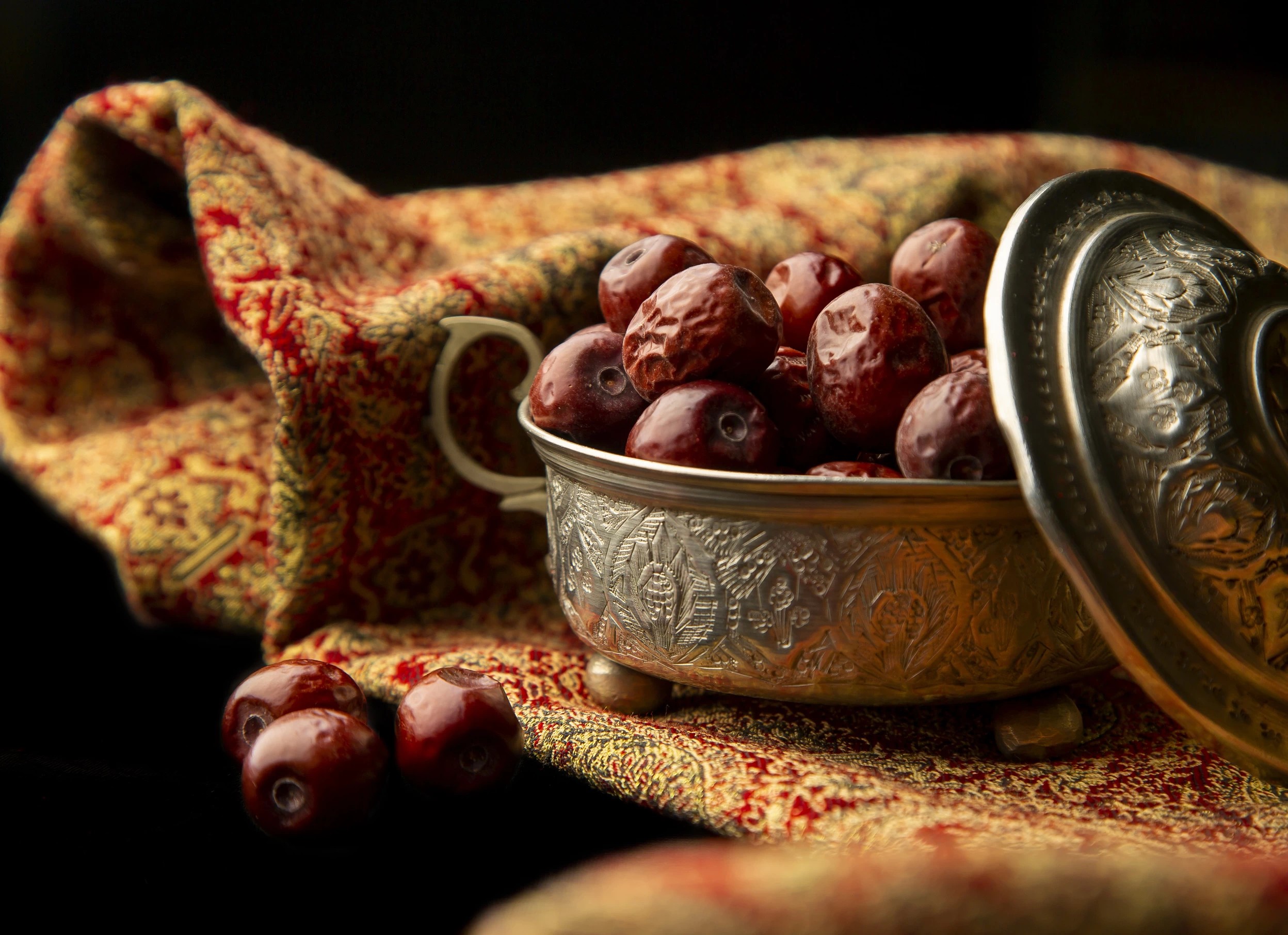
Image Box text
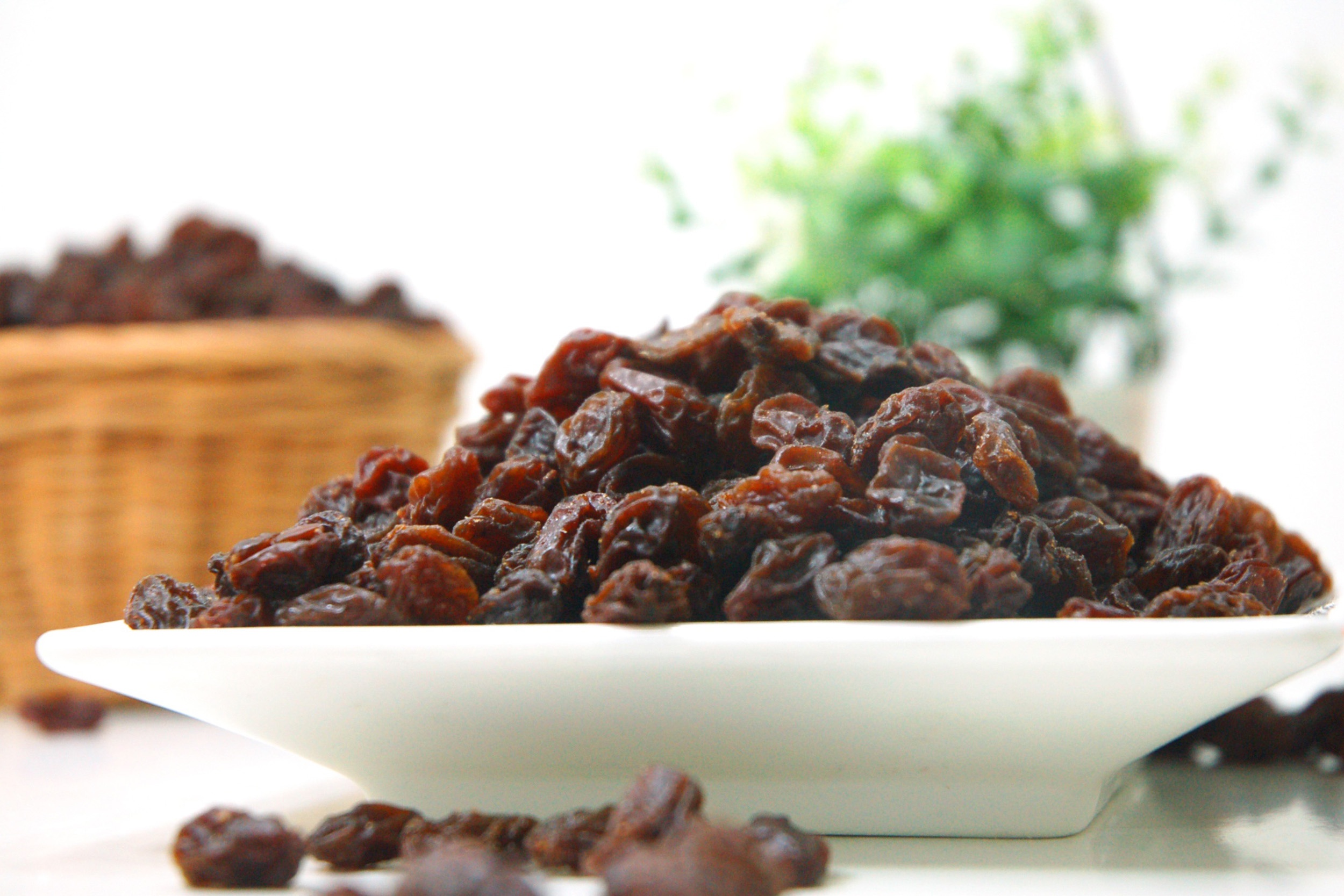
Image Box text
| Typical Value | Per 40 Grams |
| Calories | 113 Calories from Fat 2 |
| Total Fat | 0g 0% |
| Saturated Fat | 0g 0% |
| Trans Fat | 0g |
| Cholesterol | 0mg 0% |
| Sodium | 5mg 0% |
| Total Carbohydrate | 26g 9% |
| Dietary Fiber | 5g 20% |
| Sugars | 20g |
| Protein | 1g |
| Vitamin A | <2% |
| Calcium | 6% |
| Vitamin C | <2% |
| Iron | 6% |
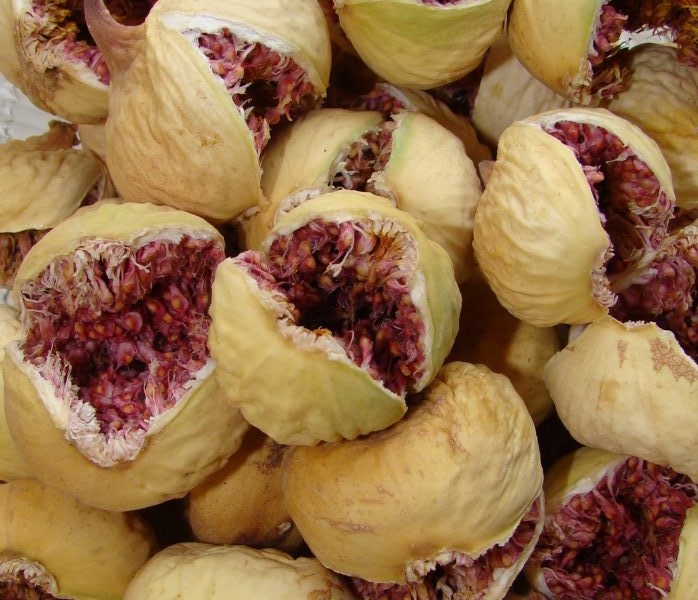
Image Box text

Dried rose petals are not only visually appealing but also packed with nutrients and therapeutic properties. They have been used for centuries in culinary, medicinal, and cosmetic applications.

Image Box text

Image Box text
Dried rose petals are rich in antioxidants, such as polyphenols and flavonoids, which contribute to their health benefits.
Health Benefits of Dried Rose Petals:
Dried rose petals are a source of essential nutrients and bioactive compounds. Here's an approximate nutritional profile per 100 grams:

Image Box text
Image Box text

Flavors are the main ingredients of leading food industry productions such as Confectionery, Bakery, Dairy, and Savory-based products and beverages. In General, flavor or taste is the perceptual impression of a substance especially food. Our gustatory system can primarily determine five basic tastes: sweet, sour, bitter, salty, and savory. Out of these basic tastes, thousands of different flavors can be manufactured for food which is an important part of the food industry. Different cultures around the world prefer different flavors; thereof some flavors are their favorites. Flavors are obtained from different sources whether naturally or chemically. Natural flavors are mainly taken from fruits, vegetables, herbs, seeds, or extracts of the plants. What is fabulous about mixing flavors is that a single recipe can be cooked with different flavors; therefore, food can be easily altered by changing its flavors while keeping its taste similar. Indeed, flavors are substances that change the taste of foods and making them more delicious. Having experts to create new fantastic flavors is the key to success in food industry markets. In this respect, Paradis Plants provides you with flavors to boost your final products with a unique taste and aroma. Our product ranges are from sweet, savory, different fruit flavors to variations of plant and vegetable flavors.

Image Box text

Image Box text
Sweet, Soury, Savoy flavors, fruit and vegetable flavors and more.
Meat flavors are available as following:
Tandoori
Barbecue
Saffron
Vegetables
Spicy
Cheesy-Smoky Mix
Lemon
Special
Normal
Smoky
Spicy
Normal
Lemon
Spicy
Normal
Smoky
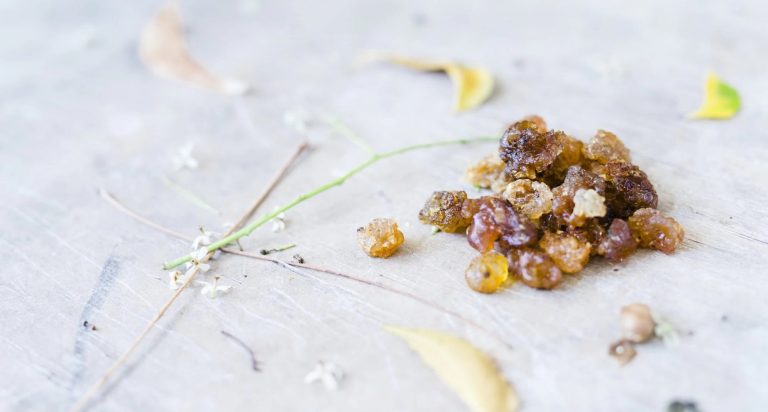
In a world full of synthetic products, natural products are wise choices. From the past to the present gums and resins have been produced in Iran. Tragacanth is one of them. We produce it in different qualities and distribute the raw materials in 25-50 kg paper bags or drums. Of course, other packing sizes are available upon request.
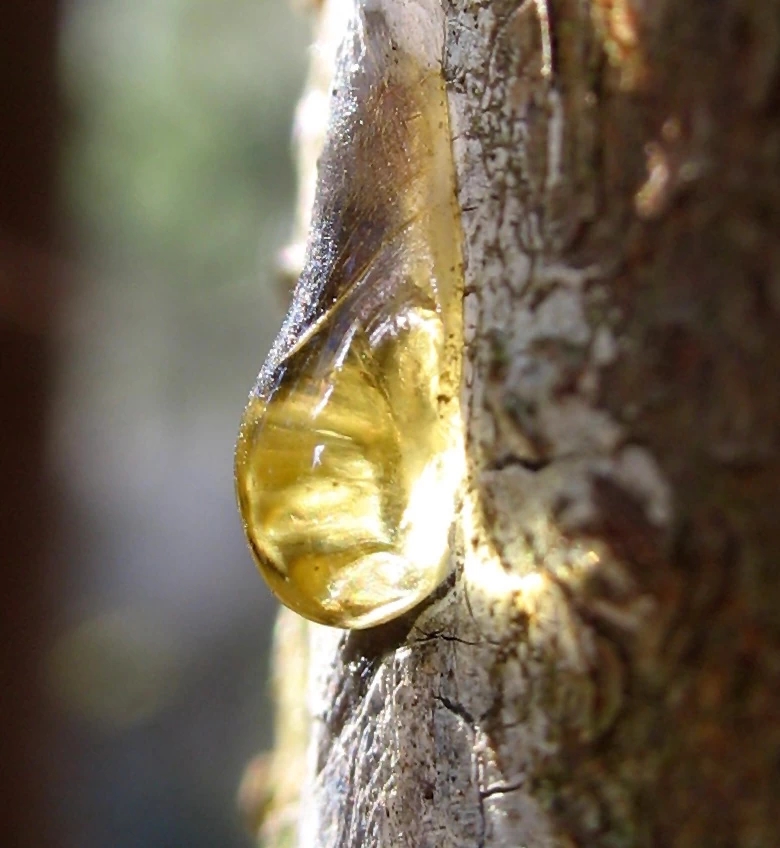
Image Box text
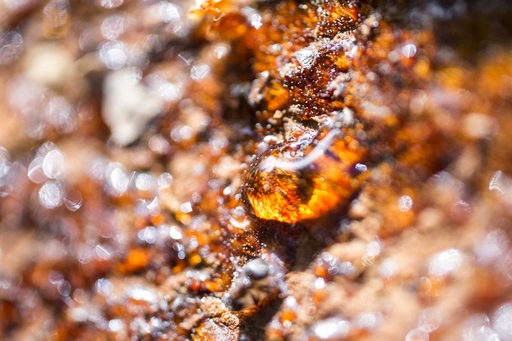
Image Box text
Gum Tragacanth is a natural exudate from several species of shrubs of the genus Astragalus or it exudes after the bark has been punctured. It is mainly found in the dry regions of Iran. It comes from Astrangalus gummifier and its compound is a complex mixture of acidic polysaccharides which consists of galacturonic acid, Galactose, fucose, Xylose, and Arabinose. The gum is naturally dried on the bark and afterward, it is collected by hand. The gum is entered into the market in one of three forms: natural tears, vermiform gum, and flakes. Printing, pastel crayon production, textile sizing and leather curing, and furniture polishes are some of the uses of Gum Tragacanth. It is also one of the oldest known drugs and was usually served in medical practices since 300 B.C. In modern medicine, it is commonly used for the suspension of insoluble powders and as an adhesive agent for pills and troches.
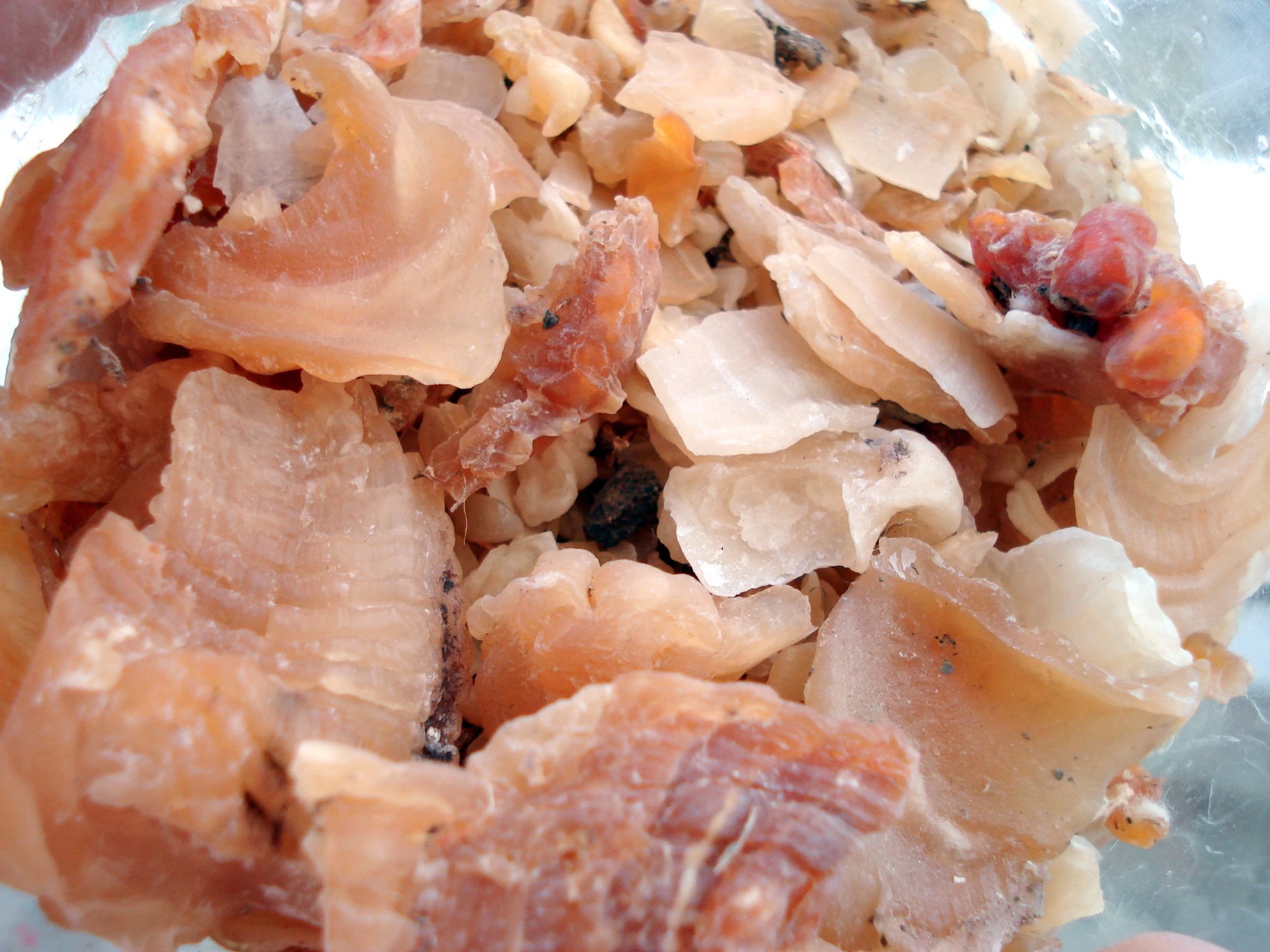
Image Box text

Herbs are developed by efficient methods for cultivating, harvesting, drying, and packing according to our customers’ needs. We can present our products in different forms: powder, cut, fine cut, whole, and also germ-reduced. Our customers’ satisfaction is important to us, so we do our best to select the highest-standard products for them. Traditionally, some herbs are used for the treatment of a lot of diseases since every plant consists of many useful components for the human body. In these treatments, herbs were applied in different forms such as brewing, grinding, or mixing different parts of the plants with other ingredients or applied solely on the injured organ. Even in modern times, the usefulness and sometimes miraculous effects of herbs on different diseases are emphasized. Moreover, some herbs are also used in the kitchen as spices. The ground leaves or seeds of some vegetables or herbs spectacularly change the taste of some dishes and create a real difference for the better. Rather than adding some regular spices such as pepper, turmeric, and cumin to the meal, we can take our cooking style to a whole new level by using new spices or spice-mixed herbs.

Image Box text
Image Box text
• Lemon Balm
• Mixed Herbs
• Marjoram
• Oregano
• Mint
• Parsley
• Rosemary
• Peppermint
• Tarragon
• Thyme
• Mallow Flower
• Sage
• Fennel
• Chamomile
• Chervil
• Savory
• Aloe Vera
• Lemon Grass
• Dill
After a decade of having experience, Paradis Plants is proud to supply different special herbal-spice mixtures which are ideal for changing color, flavoring, and aroma of foods. In addition, we can also develop some new mixtures according to your needs with the knowledge of our experts. These tastes are gifts of Iran’s natural herbs intended to be used as a turning table spice in your cuisines. Contact us for more information.

Image Box text

Licorice grows well in hot and semi-wet conditions and is a natural plant that is typical of four provinces in Iran. The best flavor and aroma of the licorice are the result of the climate and soil conditions produced in these provinces. We assure you that the glycyrrhizin content of licorice of Iran is high enough to meet our customers’ needs regarding this product. We supply our customers in the food, cosmetic and pharmaceutical industries with some special Licorice. Our experts collect the best licorice roots across Iran and supply them in four forms to our customers: Licorice solid (blocks): 5 or 8 blocks of Licorice are wrapped in polyethylene packed in cardboard boxes with a total weight of 25 kg. The content of glycyrrhizin is between 19%-24%. Licorice paste (semi-fluid): Its normal packaging comes in 80 kg cans (net weight of the product) but it can be delivered in another packaging like 1000-liter IBC container.

Image Box text

Image Box text
Licorice solid (blocks): 5 or 8 blocks of Licorice are wrapped in polyethylene packed in cardboard boxes with a total weight of 25 kg. The content of glycyrrhizin is between 19%-24%.
Licorice paste (semi-fluid): Its normal packaging comes in 80 kg cans (net weight of the product) but it can be delivered in another packaging like 1000-liter IBC container.
| Tests | Solid (blocks) | Paste (semi fluid) |
| Glycyrrhizin | 19%- 24% | 19%- 24% |
| Starch & Gums | 23%- 29% | 23%- 29% |
| Fructose | Less than 5% | Less than 5% |
| Glucose | Less than 5% | Less than 5% |
| Moisture | 14% ± 2% | 32% ± 1 |
| Cold water insoluble | 0.6% - 2% | 0.6% - 2% |
| Hot water insoluble | 0.5% - 2.5% | 0.5% - 2.5% |
| Ash | 6% - 8% | 6% - 8% |
| PH | 5.4 – 5.65 | 5.4 – 5.65 |
| Taste & Ordure | Normal | Normal |

Image Box text
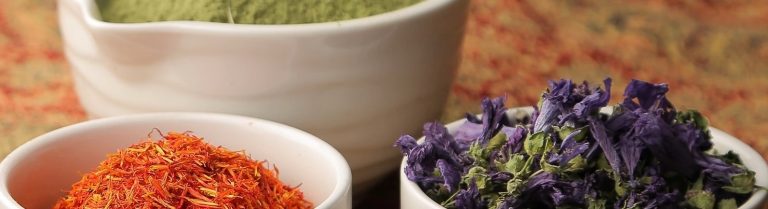
From ancient times Iranians have extracted different colors from different types of plants and used them in different industries. There are many natural plants from which you can extract and produce natural colors. These days, people are more concerned about their health around the world and as a result, the consumers’ demands for food made with natural ingredients are increasing. In the food production industry, the color of the finished product is an impressive factor for the final products of the manufacturers. Following the new wave of returning to natural sources, Alborz Herbs contributes by offering a variety of natural colors to the food manufacturers to earn the trust of their customers.
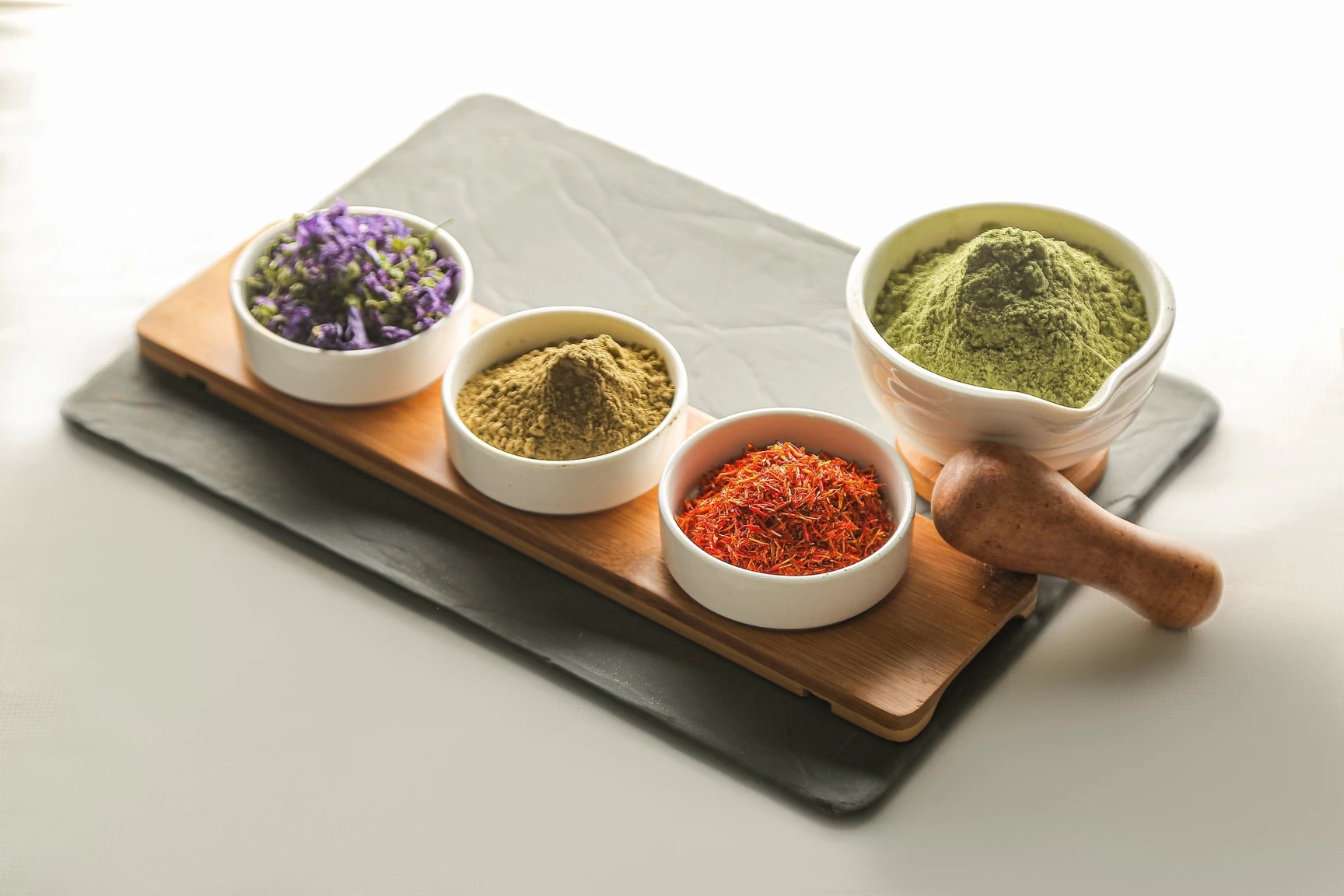
Image Box text
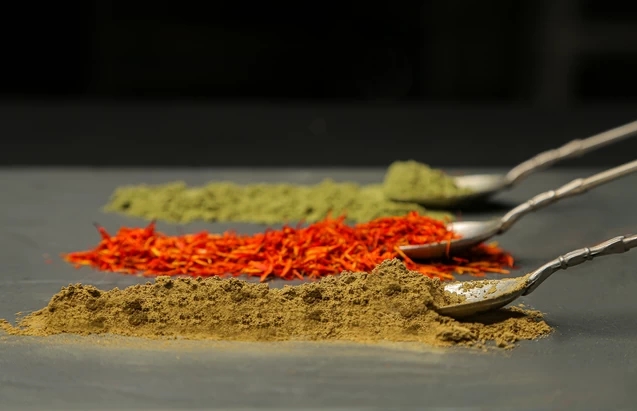
Image Box text
The grounded leaves of Henna tree, also known as Lawsonia alba Lam HENNA produce a russet or orange dye. In fact, it is a shrub with fragrant which has greenish white flowers. In Iran, there is an ornamental gol-e ḥanā or “henna flower that should not to be confused with. From old times, Hanna can be essentially traced back to be used for dying hair, nail, horse tails and in ancient wall paintings and it still maintained its place as one the most natural colors. Henna was also used in medical treatments. In traditional medicine, especially in the Islamic period, uses of henna was mostly reported for external applications. Dioscorides was the first one who proposed henna to be used as a medicine. He postulated that the leaves of henna are good for mouth ulcers, and as a cataplasm therefore is a suitable cure for “other [cutaneous] hot inflammations and carbuncles,” and their decoction heals skin burns. For alleviating headache, one can apply a mixture of powdered henna flowers and vinegar to the forehead.
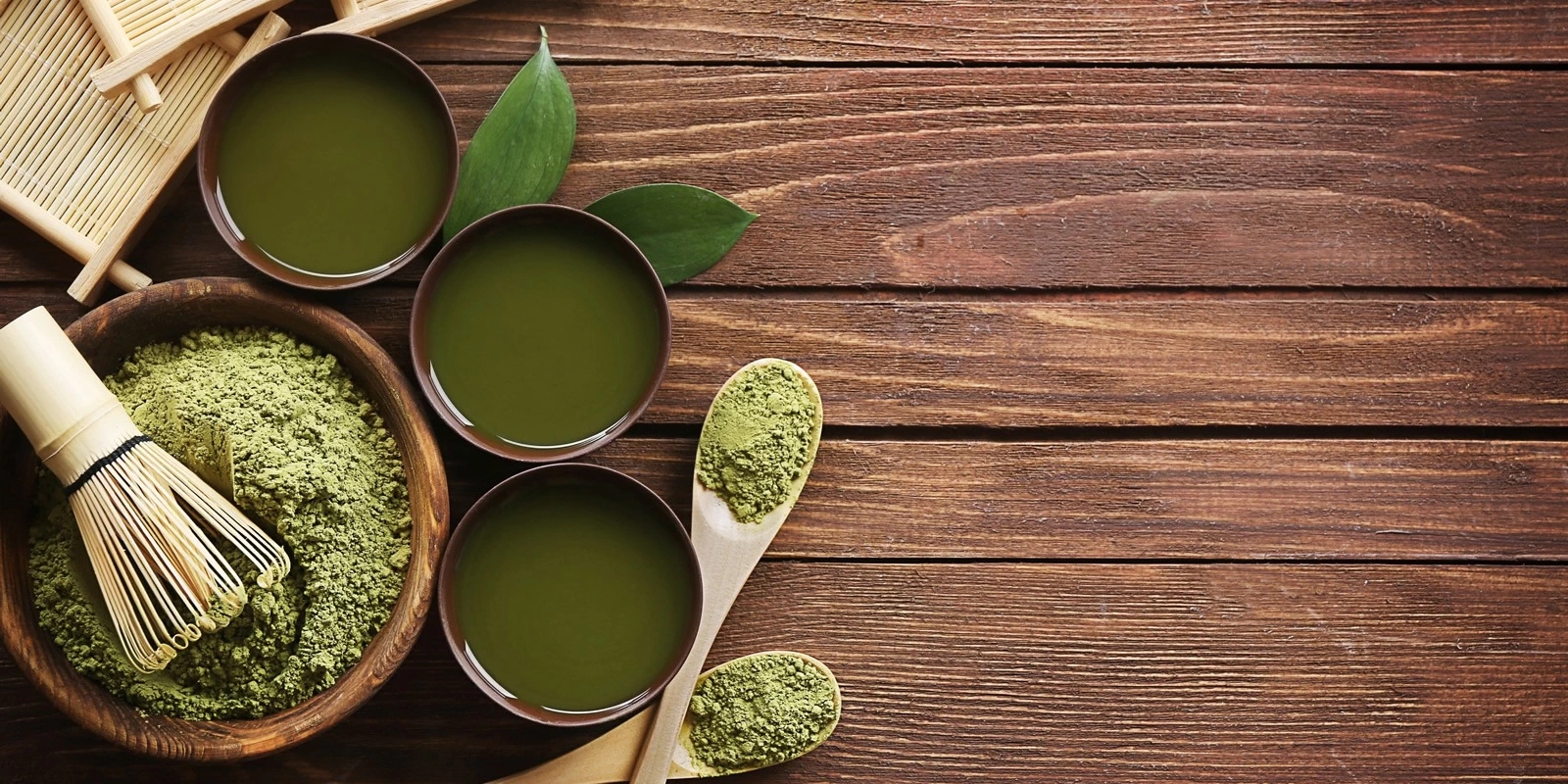
Image Box text
Image Box text
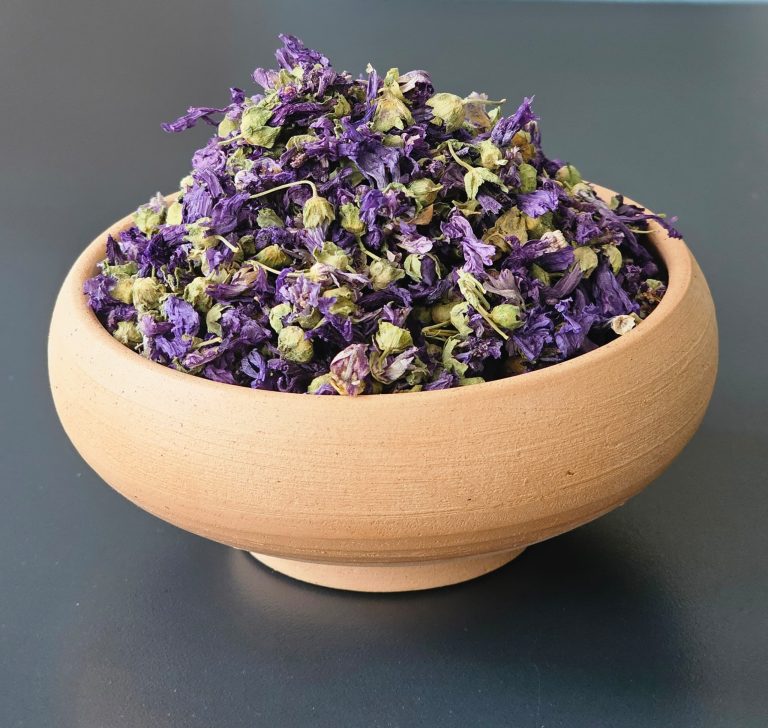
The raw materials for tea primarily come from the Camellia sinensis plant, which is cultivated in tropical and subtropical climates. Here’s a breakdown of the key raw materials and components involved in tea production:
Key Raw Materials for Tea
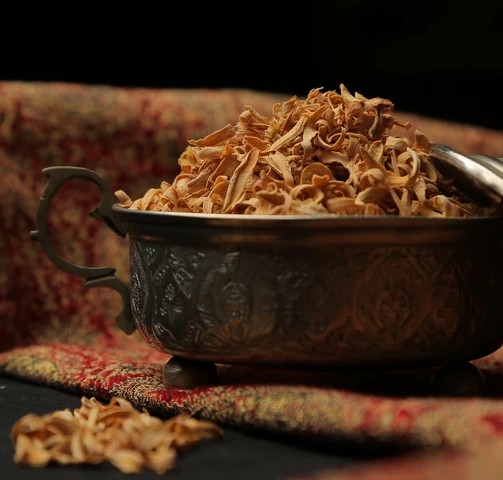
Image Box text
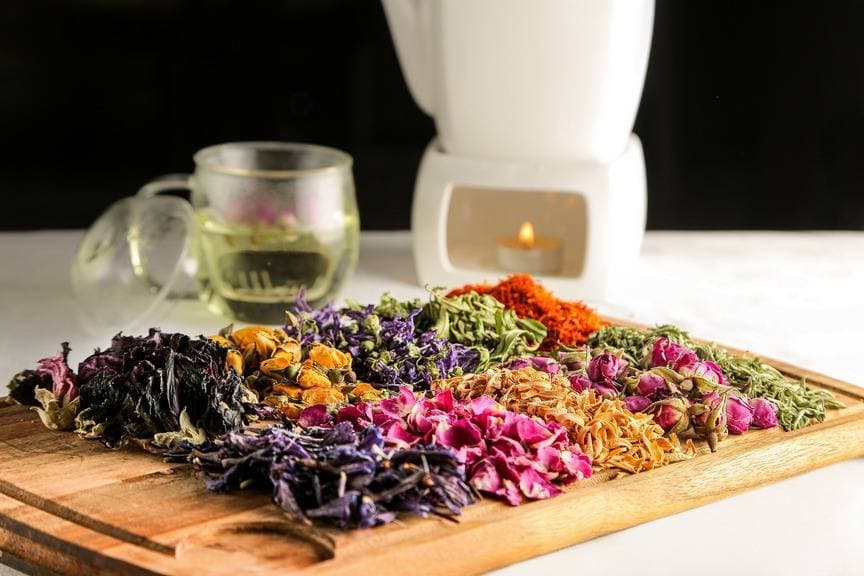
Image Box text
Tea production is a meticulous process that involves harvesting, withering, rolling, oxidation (for certain types), drying, and packaging. Each step contributes to the unique flavor and aroma of the final product.
Tea is an evergreen shrub (bush) native to East Asia. Tea is a beverage that is primarily popular for its aroma and it is mostly made by pouring hot or boiling water over leaves of the Camellia sinensis or it is usually brewed in some countries. In fact, it has the highest consumption in the world after water. There are also many different types of tea; some, like Chinese greens, and Darjeeling have a slightly cooling astringent, and bitter flavor, while others are drastically different that taste like sweet, nutty, floral, or grass. Due to its caffeine content, Tea has an energizing effect which sometimes removes fatigue and brings freshness to the body.

Image Box text