Rose Water

Rose water is a fragrant liquid made by steeping or distilling rose petals in water. It has been cherished for centuries for its culinary, cosmetic, and medicinal uses. Originating in ancient Persia(IRAN), rose water is still widely used today in various cultures around the world.


A title

Image Box text

A title

Image Box text

Benefits of Rose Water

  • Skin Care: Rose water is a natural toner that helps hydrate and soothe the skin. Its anti-inflammatory and antibacterial properties make it effective for reducing redness, irritation, and acne.
  • Antioxidant Properties: Rich in antioxidants, rose water helps protect skin cells from damage caused by free radicals.
  • Mood Enhancer: The aroma of rose water is known to have calming effects, reducing stress and promoting relaxation.
  • Digestive Aid: In traditional medicine, rose water is used to soothe digestive discomfort and improve appetite.
  • Wound Healing: Its antiseptic properties can help clean wounds and promote faster healing.

Uses of Rose Water

  • Culinary: Rose water is a popular ingredient in desserts, beverages, and savory dishes, especially in Middle Eastern and South Asian cuisines. It adds a subtle floral flavor to recipes like baklava, Turkish delight, and rose-flavored teas.
  • Cosmetics: It is a key ingredient in facial mists, toners, and creams, providing hydration and a refreshing feel.
  • Aromatherapy: Rose water is often used in diffusers or as a natural room spray to create a calming atmosphere.
  • Religious and Cultural Practices: It is used in ceremonies and rituals for its symbolic purity and fragrance.

A title

Image Box text

A title

Image Box text

Rose Water Specifications

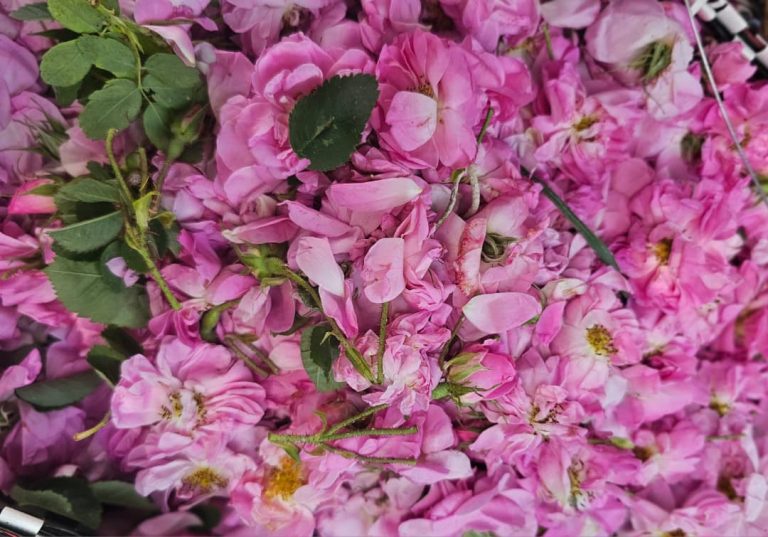
  • Rose water is a fragrant liquid obtained by distilling fresh rose petals, typically from the Rosa damascena species. It is widely used in culinary, cosmetic, and medicinal applications. Here are some key specifications:

    • Appearance: Clear, transparent liquid.
    • Aroma: Characteristic floral scent of roses.
    • pH Range: 5.5–7.0.
    • Oil Content: At least 0.02% essential oils.
    • Additives: No coloring or preservatives are typically added.
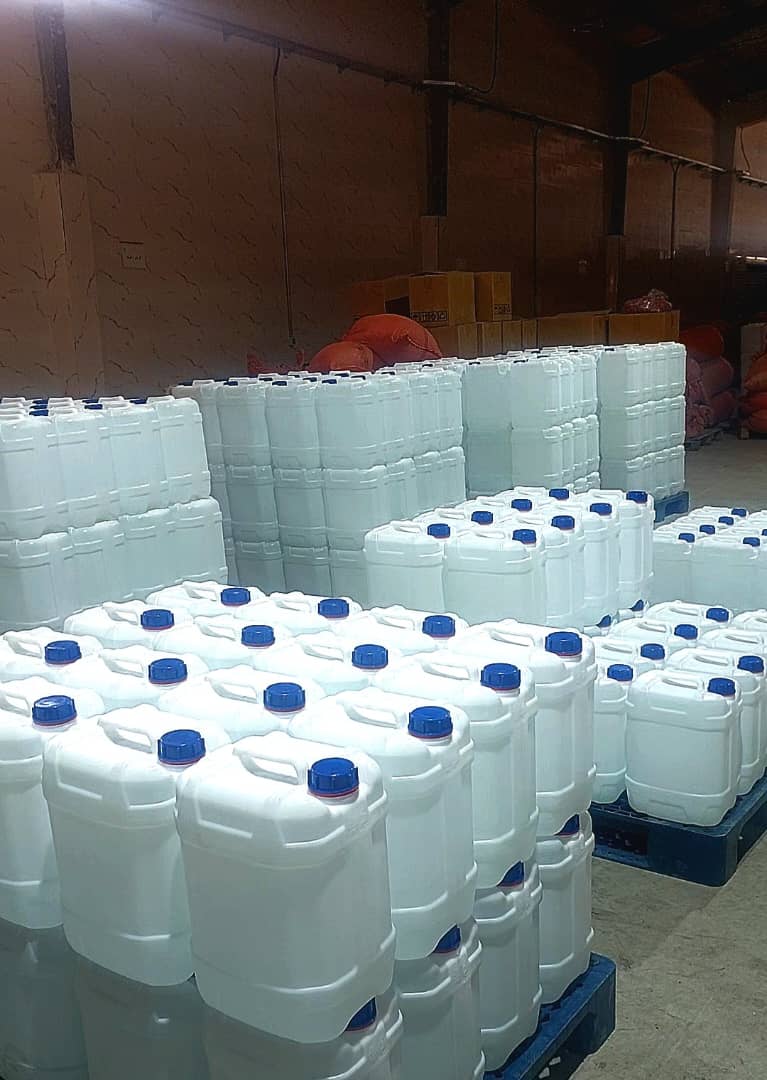
    • Processing Method: Steam distillation of rose petals, followed by pasteurization and bottling.
    • Shelf Life: 1.5 to 3 years, depending on storage conditions.


Nutritional Value of Rose Water

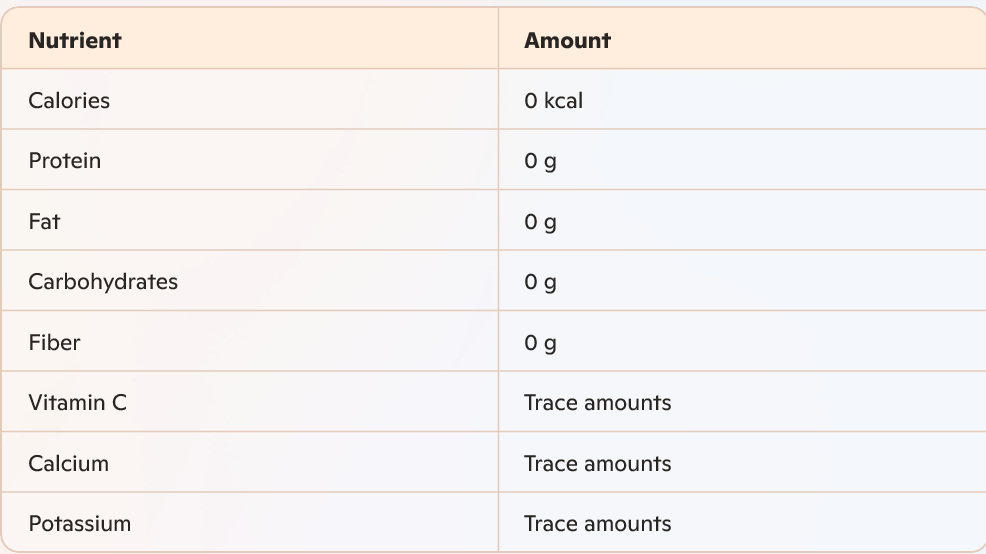
  • Rose water is primarily composed of water and contains minimal nutrients. Here's an approximate nutritional profile per 100 grams:

    While rose water itself is not a significant source of nutrients, it contains trace amounts of antioxidants and bioactive compounds derived from rose petals, which contribute to its therapeutic properties.

A title

Image Box text