Cumin Seeds

Premium Cumin Seeds

At Alborz Herbs, we supply top-grade cumin seeds (Cuminum cyminum), carefully sourced and processed to meet the highest standards of quality, flavor, and purity.

Cumin is widely valued in the food, spice, and health supplement industries for its digestive benefits and bold aroma. Our cumin is sun-dried, machine-cleaned, and available in bulk or private-label packaging for international buyers.

We export directly from Iran to Europe, Asia, and the Middle East with full quality certifications.

A title

Image Box text

Spices

Spices

A spice includes a seed, fruit, root, bark, salt, or other plant substances. Spices are essentially used for flavoring or coloring food. Traditionally, spices are used as flavors for food but nowadays, they are consumed in medicine, cosmetics or perfume production. Botanically, spices can be categorized based on their source of plant part as following: Seeds or Fruits: Examples include fennel, nutmeg, coriander, fenugreek, mustard, and black pepper, etc. Leaves of aromatic plants: basil, bay leaf, rosemary, thyme, etc. Bark: Cinnamon, Cassia, etc. Bark or Roots: such as include garlic, galangal, turmeric, ginger, etc. Health benefits of Spices Spice up your meal and build a healthy immune system with spices in your diet! Spices not just bring an extra taste to your dishes but also consist of a lot of great components such as antioxidants, minerals, phytonutrients, essential oils and vitamins that are totally beneficial for our body. Spices are composed of plant-derived chemical compounds that are well-known for having properties to treat diseases and improve health. The components in the spices also have anti-inflammatory, carminative, anti-flatulent, and also an anti-clotting function which prevents stroke episode, and coronary artery disease through easing blood flow. In fact, the treatment of colds, influenza, mild fevers, indigestion, stomach upset, and painful menstruation are some of diseases that decoction of certain healthy spices is used for. Spices are mostly available in the form of powder but in Alborz Herbs, we provide you the high-quality spices in different sizes and forms with the taste of Iran’s nature.

A title

Image Box text

A title

Image Box text

Spices in Alborz Herbs

  • Saffron
  • Tarragon
  • Cumin Seeds (Green)
  • Mint
  • Peppermint
  • Thyme
  • Safflower
  • Savory
  • Oregano 
  • Coriander Seeds (and Powder)

Health benefits of Spices

Spice up your meal and build a healthy immune system with spices in your diet!
Spices not just bring an extra taste to your dishes but also consist of a lot of great components such as antioxidants, minerals, phytonutrients, essential oils, and vitamins that are totally beneficial for our body. Spices are composed of plant-derived chemical compounds that are well-known for having properties to treat diseases and improve health. The components in the spices also have anti-inflammatory, carminative, anti-flatulent, and also an anti-clotting function which prevents stroke episode, and coronary artery disease through easing blood flow. In fact, the treatment of colds, influenza, mild fevers, indigestion, stomach upset, and painful menstruation are some of the diseases that decoction of certain healthy spices is used for.
Spices are mostly available in the form of powder but in Alborz Herbs, we provide you high-quality spices in different sizes and forms with the taste of Iran’s nature.

A title

Image Box text

A title

Image Box text

Coriander Seeds

  • Coriander is a fragrant herb, rich in antioxidant that holds a lot of culinary uses and health benefits. The level of blood sugar may be reduced by these seed and also, they fight infections, and improve your heart, brain, skin, and digestive health. as a consequence, it can be used for dietary purposes.

    Nutritional Value of Coriander Seeds

    Calories 5.4

    Serving Size: tsp (1.8g grams)

    % Daily Value

    Total Fat

    0.3g grams

    0%

    Saturated Fat

    0g grams

    0%

    Polyunsaturated Fat

    0g grams


    Monounsaturated Fat

    0.2g grams


    Cholesterol

    0mg milligrams

    0%

    Sodium

    0.6mg milligrams

    0%

    Potassium

    23mg milligrams

    1%

    Total Carbohydrates

    1g grams

    0%

    Dietary Fiber

    0.8g grams

    3%

    Protein

    0.2g grams


    Vitamin A


    0%

    Vitamin C


    0.6%

    Calcium


    1%

    Iron


    1.6%

Saffron

Saffron

As one of the famous Iranian natural products in the world, Saffron is cultivated in the northeast of Iran. Its vivid crimson stigma is used as an agent in coloring and seasoning food as well as confectionery products. It is the threads (stigmas) from the saffron Crocus sativus flower. In every single flower, there can only be found three saffron stigmas (female part) which are referred to as saffron threads. These threads must be hand-picked and also, sorted by hand so that’s why it is so precious and expensive.

A title

Image Box text

A title

Image Box text

Organic Saffron

Organic Saffron is a product stemming from organic sources that Paradis Plants offers to the customers. Our saffron comes with its high coloring and fragrant ability. Organic saffron is grown in our finest lands of Khorasan and are regularly inspected by certifying organizations. Our saffron cultivators put all their efforts to work in order to produce a top notch saffron.

Types of Saffron

Negin Saffron: a new variety of saffron that is longer and thicker than common saffron.

Sargol Saffron (All red saffron): it is pure saffron and contains the stigma without the style. Out of 105 kg of saffron flowers, one can collect 1kg of Sargol saffron.

Pushal Saffron (Mancha saffron): Pushal saffron refers to the stigmas with a 3-5mm style. 1kg of Pushal saffron is collected out of 101kg of saffron flowers.

Daste Saffron (Bunches Saffron): Daste saffron includes the stigma with the whole style.

Style Saffron: Style saffron only contains the style without the stigma.


A title

Image Box text

A title

Image Box text

Medicinal Uses

The active ingredients existing in saffron consists of many therapeutic applications in many traditional medicines since a long time as anti-spasmodic, carminative, diaphoretic.

It is shown in some research studies that safranal, which is a volatile oil, is effective on cancer cells with its the antioxidant, cytotoxic reserve, and has anticonvulsant and antidepressant properties.

It has been found that the carotenoid compound, α-crocin, which is the cause that the spice has a special golden-yellow hue, has antioxidant, antidepressant, and anti-cancer properties.

Saffron Nutritional Value

Amount Per Serving: 310 Calories

Serving Size: 100 g

% Daily Value

Total Fat

5.9g

8 %

Saturated Fat

1.6g

8 %

Sodium

148mg

6 %

Total Carbohydrate

65g

24 %

Dietary Fiber

3.9g

14 %

Protein

11g

22 %

Vitamin D

0.00mcg

0 %

Calcium

111.00mg

9 %

Iron

11.10mg

62 %

Potassium

1724mg

37 %

A title

Image Box text

Rose Water

Rose Water

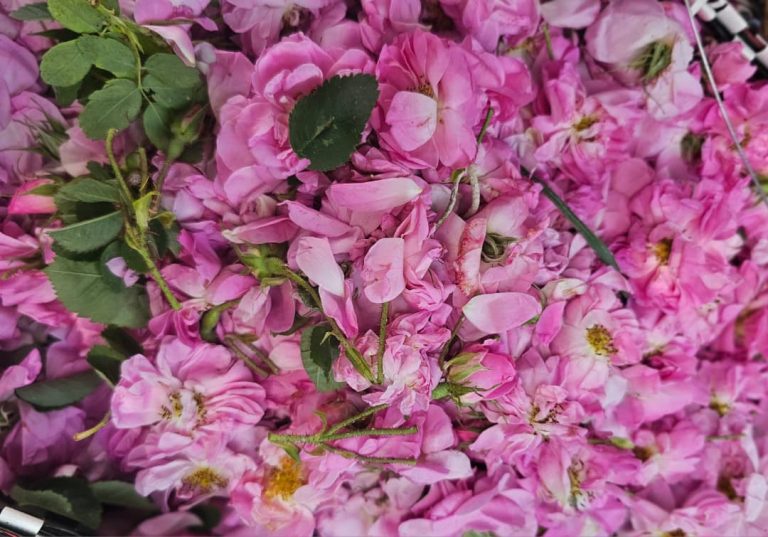
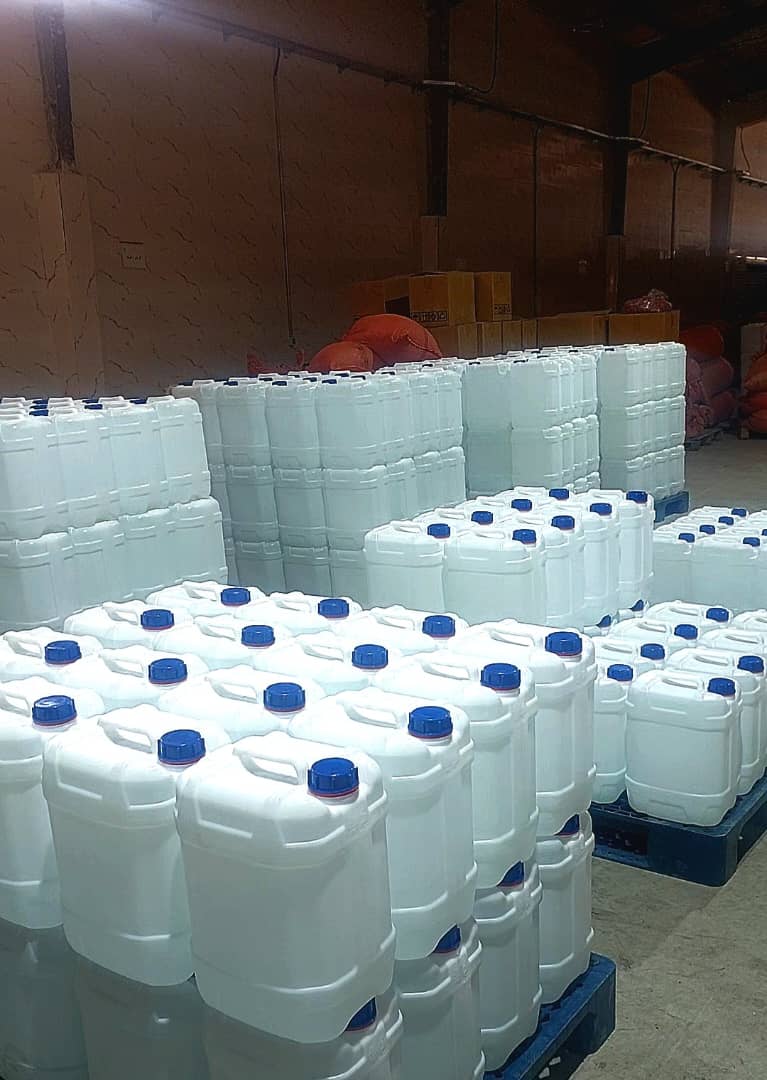
Rose water is a fragrant liquid made by steeping or distilling rose petals in water. It has been cherished for centuries for its culinary, cosmetic, and medicinal uses. Originating in ancient Persia(IRAN), rose water is still widely used today in various cultures around the world.


A title

Image Box text

A title

Image Box text

Benefits of Rose Water

  • Skin Care: Rose water is a natural toner that helps hydrate and soothe the skin. Its anti-inflammatory and antibacterial properties make it effective for reducing redness, irritation, and acne.
  • Antioxidant Properties: Rich in antioxidants, rose water helps protect skin cells from damage caused by free radicals.
  • Mood Enhancer: The aroma of rose water is known to have calming effects, reducing stress and promoting relaxation.
  • Digestive Aid: In traditional medicine, rose water is used to soothe digestive discomfort and improve appetite.
  • Wound Healing: Its antiseptic properties can help clean wounds and promote faster healing.

Uses of Rose Water

  • Culinary: Rose water is a popular ingredient in desserts, beverages, and savory dishes, especially in Middle Eastern and South Asian cuisines. It adds a subtle floral flavor to recipes like baklava, Turkish delight, and rose-flavored teas.
  • Cosmetics: It is a key ingredient in facial mists, toners, and creams, providing hydration and a refreshing feel.
  • Aromatherapy: Rose water is often used in diffusers or as a natural room spray to create a calming atmosphere.
  • Religious and Cultural Practices: It is used in ceremonies and rituals for its symbolic purity and fragrance.

A title

Image Box text

A title

Image Box text

Rose Water Specifications

  • Rose water is a fragrant liquid obtained by distilling fresh rose petals, typically from the Rosa damascena species. It is widely used in culinary, cosmetic, and medicinal applications. Here are some key specifications:

    • Appearance: Clear, transparent liquid.
    • Aroma: Characteristic floral scent of roses.
    • pH Range: 5.5–7.0.
    • Oil Content: At least 0.02% essential oils.
    • Additives: No coloring or preservatives are typically added.
    • Processing Method: Steam distillation of rose petals, followed by pasteurization and bottling.
    • Shelf Life: 1.5 to 3 years, depending on storage conditions.


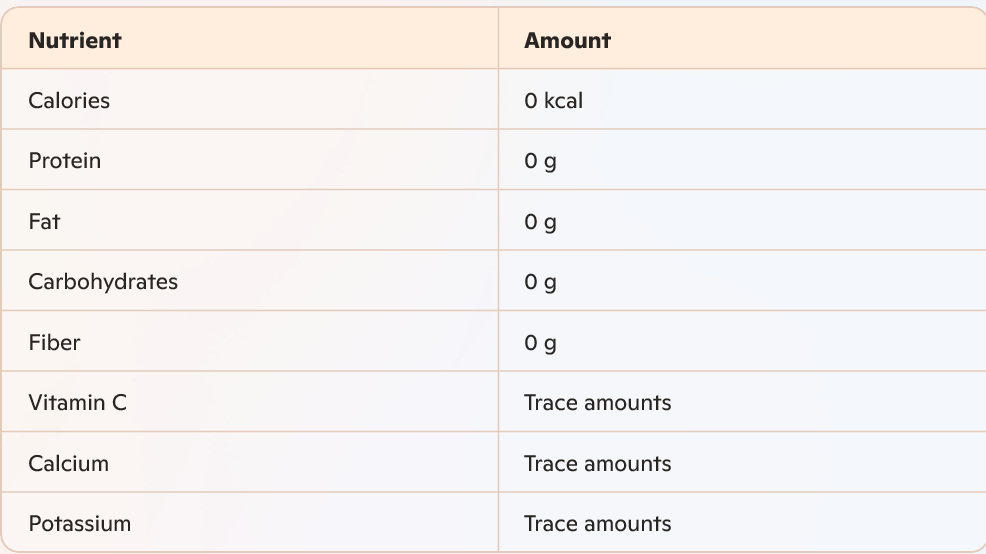
Nutritional Value of Rose Water

  • Rose water is primarily composed of water and contains minimal nutrients. Here's an approximate nutritional profile per 100 grams:

    While rose water itself is not a significant source of nutrients, it contains trace amounts of antioxidants and bioactive compounds derived from rose petals, which contribute to its therapeutic properties.

A title

Image Box text

Flavors

Flavors

Flavors are the main ingredients of leading food industry productions such as Confectionery, Bakery, Dairy, and Savory-based products and beverages. In General, flavor or taste is the perceptual impression of a substance especially food. Our gustatory system can primarily determine five basic tastes: sweet, sour, bitter, salty, and savory. Out of these basic tastes, thousands of different flavors can be manufactured for food which is an important part of the food industry. Different cultures around the world prefer different flavors; thereof some flavors are their favorites. Flavors are obtained from different sources whether naturally or chemically. Natural flavors are mainly taken from fruits, vegetables, herbs, seeds, or extracts of the plants. What is fabulous about mixing flavors is that a single recipe can be cooked with different flavors; therefore, food can be easily altered by changing its flavors while keeping its taste similar. Indeed, flavors are substances that change the taste of foods and making them more delicious. Having experts to create new fantastic flavors is the key to success in food industry markets. In this respect, Paradis Plants provides you with flavors to boost your final products with a unique taste and aroma. Our product ranges are from sweet, savory, different fruit flavors to variations of plant and vegetable flavors.

A title

Image Box text

A title

Image Box text

Flavors in Alborz Herbs

Sweet, Soury, Savoy flavors, fruit and vegetable flavors and more.

Meat flavors are available as following:

  • Chicken Seasoning Spices in 9 categories:

  Tandoori

Barbecue

Saffron

Vegetables

Spicy

  • Traditional Iranian Seasoning

Cheesy-Smoky Mix

Lemon

Special

  • Meat and Steak Seasoning in 3 categories:

Normal

Smoky

Spicy

  • Fish and Shrimp Seasoning in 3 categories:

Normal

Lemon

Spicy

  • Hamburger Seasoning in 2 categories:

Normal

Smoky

Dried Rose

Dried Rose

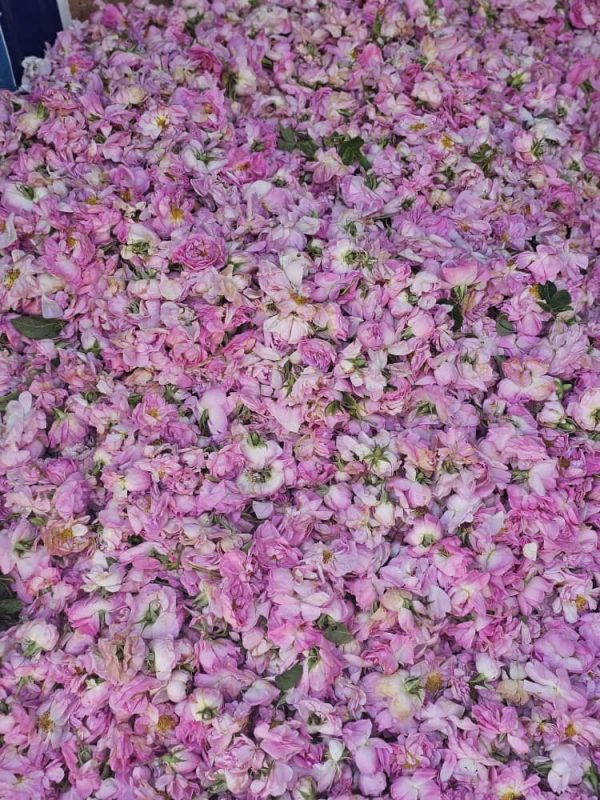
Dried rose petals are not only visually appealing but also packed with nutrients and therapeutic properties. They have been used for centuries in culinary, medicinal, and cosmetic applications.

A title

Image Box text

A title

Image Box text

Health Benefits of Dried Rose Petals

Dried rose petals are rich in antioxidants, such as polyphenols and flavonoids, which contribute to their health benefits.

Health Benefits of Dried Rose Petals:

  1. Rich in Antioxidants: The high levels of antioxidants help combat oxidative stress and support overall health.
  2. Digestive Aid: Dried rose petals are often used in teas to soothe digestive discomfort and improve gut health.
  3. Skin Health: Their anti-inflammatory and antibacterial properties make them effective in treating skin irritations and promoting a healthy glow.
  4. Mood Enhancer: The calming aroma of dried rose petals can help reduce stress and anxiety.
  5. Anti-inflammatory Properties: They may help reduce inflammation in the body, benefiting conditions like arthritis.

Nutritional Value of Dried Rose Petals

Dried rose petals are a source of essential nutrients and bioactive compounds. Here's an approximate nutritional profile per 100 grams:

A title

Image Box text

A title

Image Box text

Uses of Dried Rose Petals

  • Culinary: Dried rose petals are used in teas, desserts, and traditional dishes like gulkand (a rose petal preserve).
  • Cosmetics: They are a common ingredient in face masks, scrubs, and bath soaks for their soothing and rejuvenating effects.
  • Aromatherapy: Their fragrance is used in potpourri and essential oils to create a relaxing atmosphere.

Add a new location

Edit Location

Add up to 5 images to create a gallery for this location.

×