
Medicinal Usages of Plants

Introduction
Since man is a part of nature, certainly nature has provided a cure for every disease. The closer is man to nature, the healthier he is and the longer he lives. For this reason, the more man turns to nature and benefits more from its blessings, the better and more confidently his disease is treated. It should be considered that chemical drugs are not the ultimate answer for humans. Natural factors play an important role in treatment and medicine, even in manufacturing chemical medicines which consequently results in preventing diseases. The presence of medicinal plants in nature is one of its great blessings.
History of human use of medicinal plants
The history of treating diseases with medicinal plants dates back to the history of human living on Earth. According to the experience, humans and animals treat themselves with the help of medicinal plants according to their needs. They are found in plains, vast pastures, forests, foothills, etc. They have been in this way of life for thousands of years, beautifying nature.
The relationship between medicinal plants and disease
The diversity of medicinal plants is related to different soil and climate and each plant grow in its special context. Moreover, not all medicinal grow in a specific season. Yet, not much research has been carried out on the relationship between the prevalence of the disease in a season or a time and the abundance of medicinal plants in that season, but we know that many diseases occur in a particular season, and some medicinal plants abundantly found in the same season.
Important compounds of medicinal plants
Every substance found in a plant has a special benefit. The substance can be found in the structure of the plant performing vital functions or it can play a role in the structure of the physical and chemical properties of the plant.
   Aromatic oils: Aromatic substances are cleansing, disinfectant, appetite stimulant, digestive, analgesic, anti-flatulence, and anti-muscle spasm.
   Alkaloids: Alkaloids include a variety of drugs, including morphine, codeine, and cocaine. Each of these substances has a specific role in the treatment of diseases.
   Protein: Protein is made up of a combination of amino acids. Humans are unable to synthesize half of the amino acids and must enter the body through eating plants and animal meat.
   Bitter taste: Many herbs have a bitter taste, such as chicory, which has medicinal and therapeutic properties. Bitter non-toxic substances stimulate the appetite and activate many body organs for more such as the liver and gallbladder.
   Flavonoids: Flavonoids are active substances that are mainly found in organic plants. These substances neutralize a variety of toxins in the body.
   Tannins: have analgesic properties, tighten and clean the gums and skin of the mouth. They have a positive effect on the stomach and intestinal wall.
   Other ingredients in herbs include vitamins, phytic acids, and sugars.
Preparation and conversion of medicinal plants
Every plant in nature has its growth process. Properties of plants change in different seasons, or day and night, for example, some plants become fragrant in the morning and some in the evening and night. Therefore, in terms of medicinal properties, the appropriate time of harvest is of particular importance. Different parts of the plant also have different medicinal effects.
In many cases, the active ingredient is mainly in the leaves, flowers, stems, roots, seeds, or fruits. Flowers are always picked before noon when the dew or night moisture is gone. Some plants should be stored in closed containers or linen bags. Those who store should visit the samples regularly and be aware of possible pests and diseases.
Preparation of herbal powder
It is not possible to prepare most plants fresh during the year. Therefore, the collected plants should be crushed, grounded, or powdered after drying and kept in wide-mouth jars. The powder can contain plant organs that are stored separately.
Dried Vegetables

The vast farms under vegetable cultivation in Iran allow us to produce unique quality vegetables. Dried vegetables of Iran attracted the attention of new customers overseas since dried vegetables have been traditionally used in both the culinary industry as spices and in medicine, in addition, to be considered as a technique to increase shelf life and preserve nutrient quality during storage. The product is harvested by hands and dehydrated by industrial dryers. Alborz Herbs supplies a different variety of vegetables in different sizes and cuts. Concerning the customer’s demand, dried vegetables are also exported in the form of powder. In Alborz Herbs, the drying method for vegetables is a safe and long-lasting one to preserve them. One of the greatest advantages is that the nutritional content of dried vegetables is left rather consistent.


A title

Image Box text

A title

Image Box text

Spices in Alborz Herbs

  • Dried Vegetable List


    • Tarragon
    • Mint
    • Coriander
    • Lemon Balm
    • Lime Leaves
    • Peppermint
    • Basil
    • Parsley
    • Oregano
    • Rosemary
    • Dill
    • Sage
    • Thyme
    • savory
    • Herbs & Spice Mix

Dietary Fiber Content

The full dietary fiber content of the vegetables is preserved through the drying process, ensuring they retain their nutritional composition and remain a high-fiber, as close to fresh as possible, while are shelf-stable. Vegetables naturally contain high fiber, both soluble and insoluble. The fiber component provides bulk to your diet and reduces the effects of constipation.


A title

Image Box text

A title

Image Box text

MINT

Mint, a fragrant herb from the Lamiaceae family, is widely appreciated for its culinary, medicinal, and aromatic properties. It comes in various types, such as peppermint, spearmint, and water mint, each with unique flavors and benefits. Mint is known for its refreshing taste and cooling sensation, making it a popular ingredient in beverages, desserts, and savory dishes.

Nutritional Value of Mint

Mint is not only flavorful but also packed with nutrients. Here’s a breakdown of its nutritional value per 100 grams:

Mint is rich in antioxidants, particularly rosmarinic acid, which has anti-inflammatory and immune-boosting properties. It also contains essential oils like menthol, which contribute to its soothing effects on digestion and respiratory health.

Health Benefits of Mint

Mint is versatile and can be used fresh, dried, or as an essential oil. Whether you’re garnishing a dish, brewing tea, or creating skincare products, mint adds a touch of freshness and vitality.

A title

Image Box text

A title

Image Box text

Tarragon

Tarragon, also known as Artemisia dracunculus, is a delicate, aromatic herb widely used in culinary and medicinal applications. Known for its subtle licorice-like flavor, tarragon is a staple in French cuisine and is often used in sauces, dressings, and as a seasoning for meats and vegetables.

Nutritional Value of Tarragon

Tarragon is low in calories but rich in essential nutrients. Here’s the nutritional profile per 100 grams of tarragon:

Tarragon contains beneficial compounds such as polyphenols and flavonoids, which contribute to its antioxidant properties. It also contains essential oils, like estragole, which give it its distinctive aroma.

Health Benefits of Tarragon

Tarragon is a versatile herb that can be used fresh, dried, or in the form of tarragon vinegar. Its subtle yet distinctive flavor pairs beautifully with chicken, fish, and egg dishes, as well as in creamy sauces like Béarnaise.

A title

Image Box text

A title

Image Box text

Coriander

Coriander, also known as Coriandrum sativum, is a versatile herb and spice widely used in cooking and traditional medicine. It is commonly known as cilantro when referring to its fresh leaves and as coriander when discussing its seeds. Its citrusy, earthy flavor makes it a popular choice for enhancing dishes across various cuisines.

Nutritional Value of Coriander

Coriander is not only flavorful but also nutritionally rich. Here’s the nutritional profile for coriander seeds per 100 grams:

For fresh coriander leaves (cilantro), the nutritional values are much lighter in calories but still rich in vitamins like A and C.

Health Benefits of Coriander


Coriander is used in various forms, including fresh leaves, seeds, and ground powder. Its flavor profile enhances soups, curries, salads, and chutneys. Additionally, coriander seeds are often brewed as tea to promote digestion.

A title

Image Box text

A title

Image Box text

Lemon balm

Lemon balm, scientifically known as Melissa officinalis, is a fragrant herb from the mint family (Lamiaceae). With its lemon-scented leaves, this herb has been cherished for centuries for its culinary uses and calming properties. Lemon balm is commonly used in teas, desserts, salads, and as a garnish, and it also plays a significant role in herbal medicine.

Nutritional Value of Lemon Balm

Lemon balm is low in calories but provides essential nutrients and beneficial compounds. Here’s its nutritional profile per 100 grams:

Lemon balm also contains essential oils, such as citral and citronellal, which contribute to its distinct aroma and therapeutic properties.

Health Benefits of Lemon Balm

  1. Stress Relief: Lemon balm is known for its calming effects and is commonly used to reduce stress and anxiety.
  2. Digestive Support: It helps soothe stomach discomfort and promotes healthy digestion.
  3. Improves Sleep: Its mild sedative properties make it useful for combating insomnia and promoting restful sleep.
  4. Skin Health: Lemon balm has antibacterial and anti-inflammatory properties that can aid in treating skin conditions.
  5. Cognitive Boost: Studies suggest that lemon balm may enhance memory and improve focus.

Lemon balm can be enjoyed fresh or dried, brewed into tea, or infused into oils for medicinal purposes. Its versatility and soothing qualities make it an excellent addition to both your kitchen and your wellness routine.

For fresh coriander leaves (cilantro), the nutritional values are much lighter in calories but still rich in vitamins like A and C.

A title

Image Box text

A title

Image Box text

Lime leaves

Lime leaves, commonly referred to as kaffir lime leaves, are a staple in Southeast Asian cuisine. Known for their fragrant, citrusy aroma, lime leaves are widely used to enhance the flavors of dishes like curries, soups, and stir-fries. Beyond their culinary value, lime leaves are also celebrated for their medicinal and aromatic properties.

Nutritional Value of Lime Leaves

While typically consumed in small quantities, lime leaves still offer a range of nutrients and beneficial compounds. Here’s an approximate nutritional breakdown for 100 grams of lime leaves:

Lime leaves also contain essential oils, such as citronellal and limonene, which contribute to their distinctive fragrance and health-promoting properties.

Health Benefits of Lime Leaves

Lime leaves are typically used whole, shredded, or infused to impart their flavor to dishes. They are an essential ingredient in iconic recipes like Thai Tom Yum soup and green curry.

A title

Image Box text

A title

Image Box text

Peppermint

Peppermint, scientifically known as Mentha × piperita, is a hybrid mint—a cross between watermint and spearmint. Renowned for its sharp, refreshing flavor and distinctive aroma, peppermint is a versatile herb used in culinary applications, herbal remedies, and even cosmetics. Its high concentration of menthol makes it a favorite for adding a cooling sensation to foods and beverages.

Nutritional Value of Peppermint

Peppermint is packed with essential nutrients and beneficial compounds. Below is the nutritional profile per 100 grams:

Peppermint also contains essential oils like menthol, menthone, and pulegone, which give it its distinctive cooling and therapeutic properties.

Health Benefits of Peppermint

Peppermint can be used fresh, dried, or as an essential oil in various applications. It is beautifully paired with chocolate, fruits, and teas, and is a key ingredient in peppermint candies and beverages.

A title

Image Box text

A title

Image Box text

BASIL

Basil, scientifically known as Ocimum basilicum, is an aromatic herb from the mint family (Lamiaceae). Widely regarded as the “king of herbs,” basil is celebrated for its sweet, slightly peppery flavor and its versatility in cooking. It is a cornerstone of Mediterranean, Thai, and Indian cuisines, often used in sauces, salads, soups, and marinades.

Nutritional Value of Basil

Basil is a nutrient-dense herb that adds more than just flavor to dishes. Here’s its nutritional profile per 100 grams:

Basil is rich in antioxidants, including flavonoids and polyphenols, which help fight free radicals. It also contains essential oils like eugenol, linalool, and citronellol, which contribute to its health-promoting properties.

Health Benefits of Basil

Basil can be enjoyed fresh, dried, or in the form of basil oil or pesto. It pairs beautifully with tomatoes, garlic, and olive oil, making it a favorite ingredient in classic dishes like Caprese salad and pasta sauces.

A title

Image Box text

A title

Image Box text

Parsley

Parsley, scientifically known as Petroselinum crispum, is a vibrant herb that belongs to the Apiaceae family. It is widely appreciated for its bright, slightly peppery flavor and is commonly used as a garnish or seasoning in a variety of dishes. Beyond its culinary role, parsley is valued for its impressive nutritional content and health benefits.

Nutritional Value of Parsley

Parsley is a low-calorie herb packed with essential nutrients. Here’s its nutritional profile per 100 grams:

Parsley is especially rich in vitamins A, C, and K, along with antioxidants such as flavonoids and carotenoids, which contribute to its health-promoting properties.

Health Benefits of Parsley

Parsley can be used fresh, dried, or in the form of parsley oil. It pairs wonderfully with salads, soups, marinades, and dressings, and is a key ingredient in Mediterranean dishes like tabbouleh.

A title

Image Box text

A title

Image Box text

Oregano

Oregano, scientifically known as Origanum vulgare, is a robust and aromatic herb belonging to the mint family (Lamiaceae). Often referred to as “wild marjoram,” oregano is a key ingredient in Mediterranean and Italian cuisines, renowned for its earthy, slightly bitter flavor and versatility. It is widely used in dishes such as pizzas, pastas, and marinades, and has a long history in traditional medicine.

Nutritional Value of Oregano

Oregano is packed with nutrients and bioactive compounds. Here’s its nutritional profile per 100 grams:

In addition to being rich in vitamins and minerals, oregano contains high levels of antioxidants, such as flavonoids and phenolic acids, which contribute to its health benefits.

Health Benefits of Oregano

Oregano can be used fresh, dried, or in the form of oregano oil. Its bold flavor enhances a variety of dishes, including tomato-based sauces, roasted vegetables, grilled meats, and more. It’s a staple in spice blends like Italian seasoning and za’atar.

A title

Image Box text

A title

Image Box text

Rosemary

Rosemary, scientifically known as Salvia rosmarinus, is a fragrant, evergreen herb from the mint family (Lamiaceae). Native to the Mediterranean region, rosemary is celebrated for its robust, pine-like flavor and aroma, which make it a popular choice in cooking. Beyond its culinary uses, rosemary is prized for its medicinal and therapeutic benefits.

Nutritional Value of Rosemary

Rosemary is a nutrient-dense herb containing a variety of vitamins, minerals, and antioxidants. Here’s its nutritional profile per 100 grams:

Rosemary also contains phytochemicals such as rosmarinic acid and carnosic acid, which give it powerful antioxidant and anti-inflammatory properties.

Health Benefits of Rosemary

Rosemary is used fresh, dried, or as an essential oil. In cooking, it pairs beautifully with roasted meats, vegetables, and bread, and is a key ingredient in recipes like roasted lamb or rosemary focaccia.

A title

Image Box text

A title

Image Box text

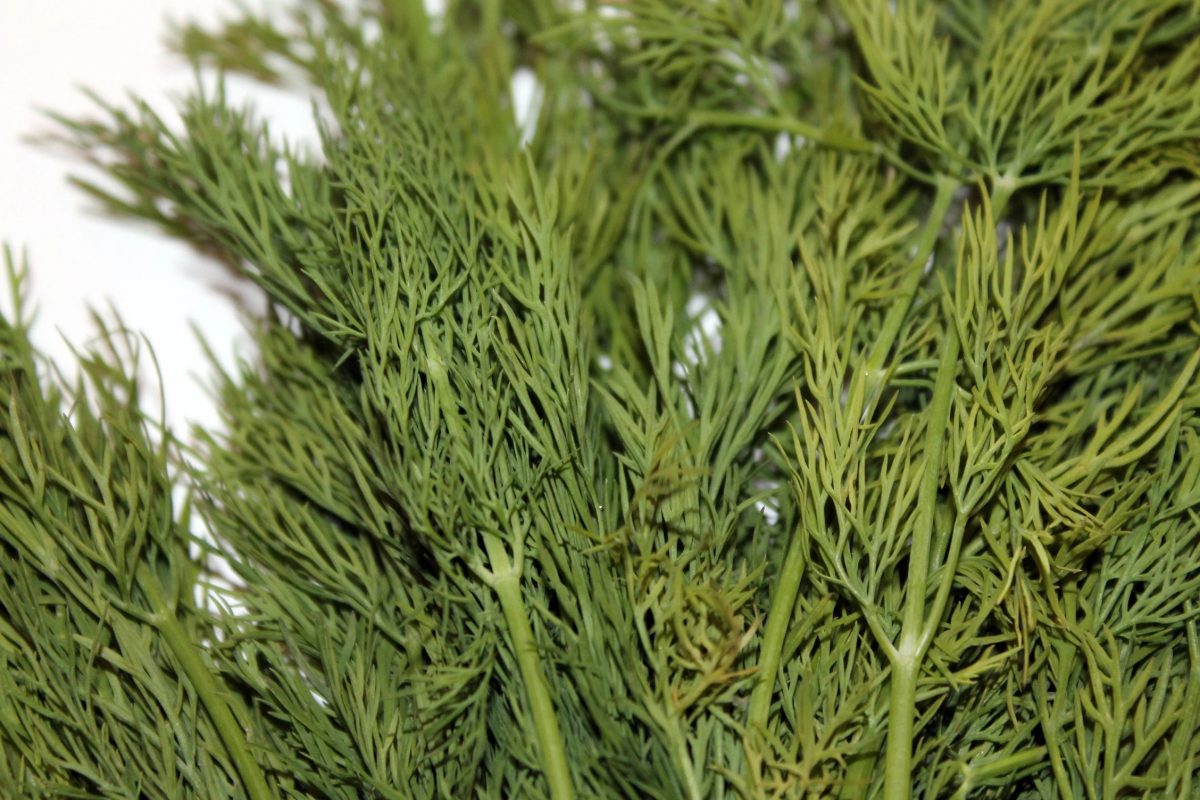
Dill

Dill, scientifically known as Anethum graveolens, is an aromatic herb from the Apiaceae family. Its feathery green leaves and distinctive flavor make it a popular choice for culinary uses, particularly in European and Middle Eastern cuisines. Dill is commonly used in pickling, dressings, sauces, and as a seasoning for fish and vegetables. In addition to its culinary applications, dill is also valued for its medicinal properties.

Nutritional Value of Dill

Dill is a low-calorie herb that offers a variety of nutrients. Here’s its nutritional profile per 100 grams:

Dill contains essential oils like carvone, limonene, and anethofuran, which contribute to its health benefits and distinct aroma.

Health Benefits of Dill

Dill can be used fresh, dried, or as an essential oil, offering versatility in both cooking and herbal remedies. Its bright and slightly tangy flavor pairs well with yogurt-based sauces, roasted vegetables, and seafood dishes, making it a delightful addition to your culinary creations.

A title

Image Box text

A title

Image Box text

Sage

Sage, scientifically known as Salvia officinalis, is a perennial herb from the mint family (Lamiaceae) and is native to the Mediterranean region. Known for its earthy, slightly peppery flavor with hints of citrus and pine, sage is a key herb in traditional cuisines and herbal medicine. Its velvety leaves and aromatic profile make it a staple in savory dishes, especially during festive seasons.

Nutritional Value of Sage

Sage is nutrient-rich and offers a variety of health-promoting compounds. Below is its nutritional profile per 100 grams:

Sage also contains antioxidants, such as rosmarinic acid and flavonoids, and essential oils, including thujone, camphor, and cineole, which contribute to its therapeutic properties.

Health Benefits of Sage

Sage can be used fresh, dried, or as an essential oil. It pairs beautifully with poultry, pork, and root vegetables, and is a key ingredient in dishes like stuffing, roasted meats, and herbal teas.

A title

Image Box text

A title

Image Box text

Thyme

Thyme, scientifically known as Thymus vulgaris, is a perennial herb from the mint family (Lamiaceae) and is native to the Mediterranean region. With its earthy, slightly minty flavor and versatile uses, thyme is a staple in culinary traditions worldwide. It is also renowned for its medicinal properties, having been used in traditional remedies for centuries.

Nutritional Value of Thyme

Thyme is a nutrient-rich herb packed with vitamins, minerals, and antioxidants. Here’s its nutritional profile per 100 grams:

Thyme is also a rich source of phenolic compounds, such as thymol and carvacrol, which contribute to its potent antioxidant and antimicrobial properties.

Health Benefits of Thyme

Thyme can be used fresh, dried, or as an essential oil. It complements a variety of dishes, including roasted meats, vegetables, soups, and stews. Additionally, thyme tea is a popular way to enjoy its health benefits.

A title

Image Box text

A title

Image Box text

Savoy

avory, also known as Satureja hortensis (summer savory) or Satureja montana (winter savory), is an aromatic herb belonging to the mint family (Lamiaceae). Revered for its peppery, slightly spicy flavor, savory is a popular addition to Mediterranean and Eastern European cuisines. It is commonly used in soups, stews, bean dishes, and as a seasoning for meats and vegetables.

Nutritional Value of Savoy

Savory is rich in nutrients and beneficial compounds. Here’s its nutritional profile per 100 grams:

Savory also contains antioxidants such as thymol and carvacrol, along with essential oils that contribute to its flavor and health benefits.

Health Benefits of Savoy

Savory is available in both fresh and dried forms, and it can be used in a variety of dishes to impart a warm, peppery flavor. Summer savory is milder and sweeter, while winter savory has a stronger, more robust taste, making both types valuable in different culinary and medicinal contexts.

A title

Image Box text

Add a new location

Edit Location

Add up to 5 images to create a gallery for this location.

×