Natural Color Ingredients

Natural Color Ingredients

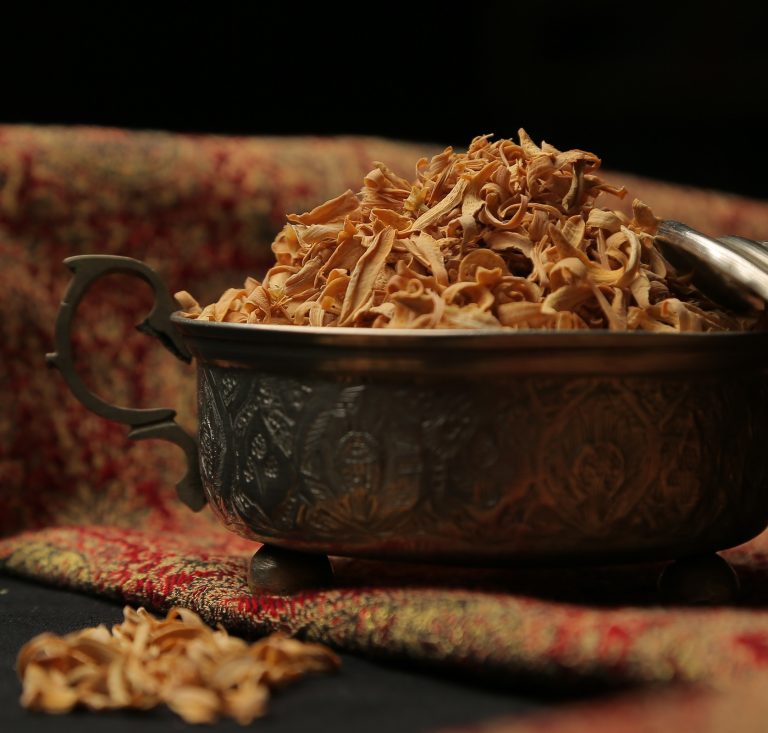
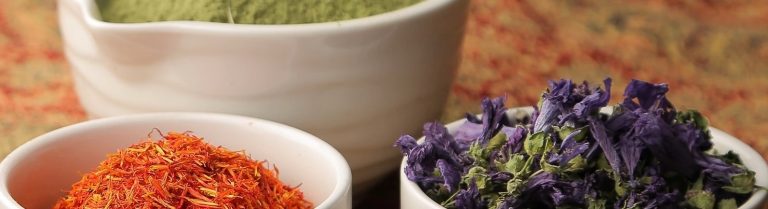
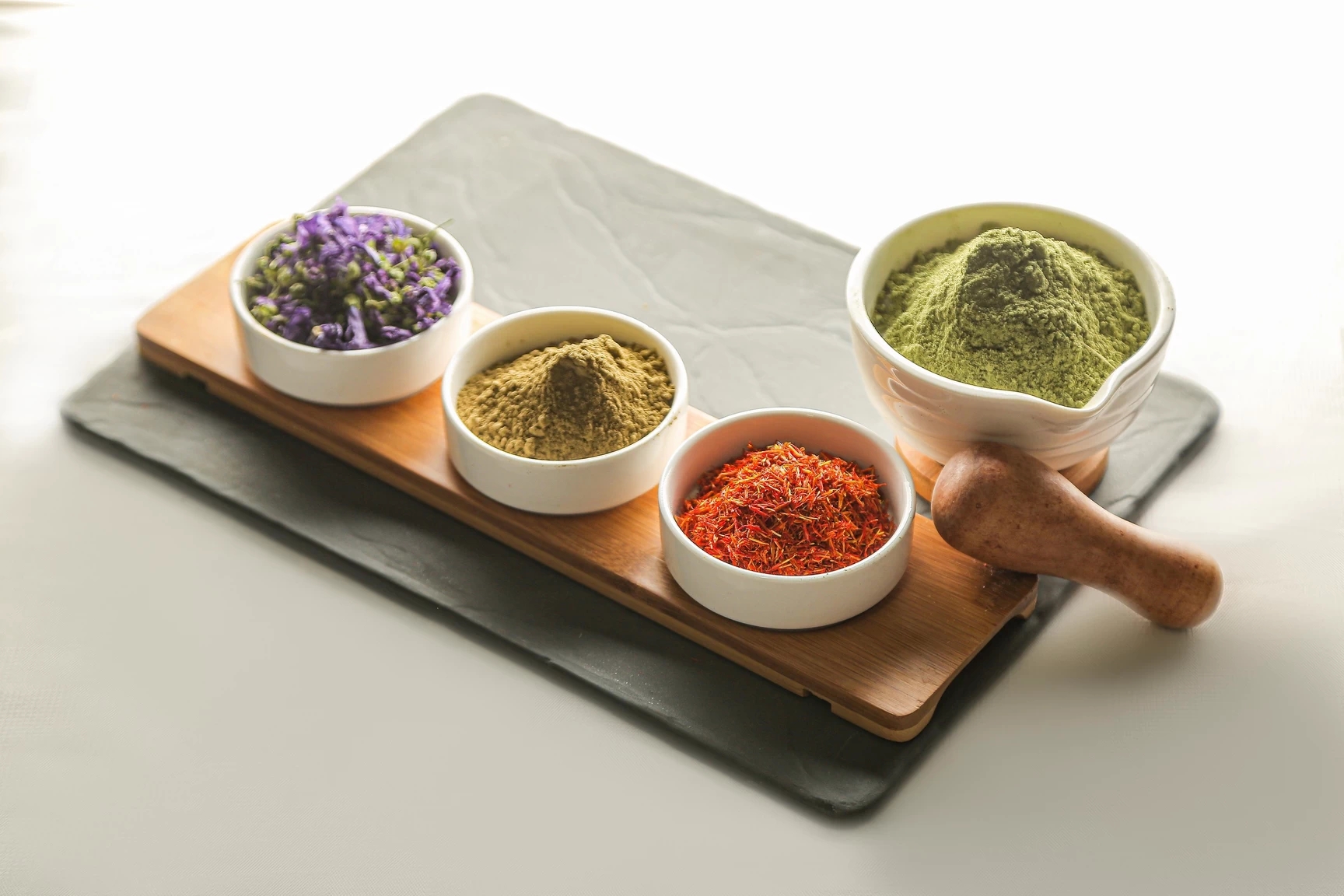
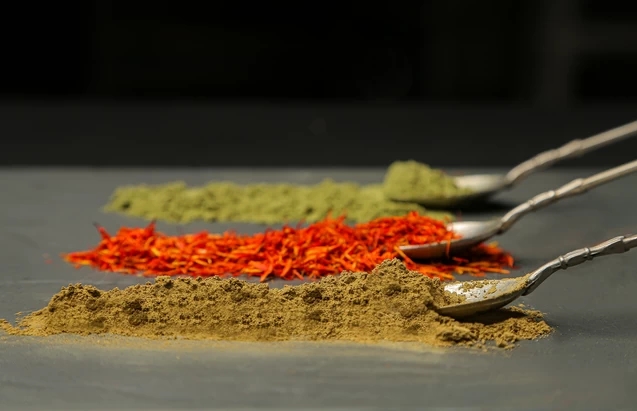
From ancient times Iranians have extracted different colors from different types of plants and used them in different industries. There are many natural plants from which you can extract and produce natural colors. These days, people are more concerned about their health around the world and as a result, the consumers’ demands for food made with natural ingredients are increasing. In the food production industry, the color of the finished product is an impressive factor for the final products of the manufacturers. Following the new wave of returning to natural sources, Alborz Herbs contributes by offering a variety of natural colors to the food manufacturers to earn the trust of their customers.
A title

Image Box text
A title

Image Box text

Natural Color Ingredients in Alborz Herbs

  • Black Henna
  • Henna
  • Pomegranate Peels
  • Madder Root
  • Safflower
  • Saffron
  • Mallow Flower
  • Beetroot Powder

Henna

The grounded leaves of Henna tree, also known as Lawsonia alba Lam HENNA produce a russet or orange dye. In fact, it is a shrub with fragrant which has greenish white flowers. In Iran, there is an ornamental gol-e ḥanā  or “henna flower that should not to be confused with. From old times, Hanna can be essentially traced back to be used for dying hair, nail, horse tails and in ancient wall paintings and it still maintained its place as one the most natural colors. Henna was also used in medical treatments. In traditional medicine, especially in the Islamic period, uses of henna was mostly reported for external applications. Dioscorides was the first one who proposed henna to be used as a medicine. He postulated that the leaves of henna are good for mouth ulcers, and as a cataplasm therefore is a suitable cure for “other [cutaneous] hot inflammations and carbuncles,” and their decoction heals skin burns. For alleviating headache, one can apply a mixture of powdered henna flowers and vinegar to the forehead.
A title

Image Box text

Licorice

Licorice

Licorice grows well in hot and semi-wet conditions and is a natural plant that is typical of four provinces in Iran. The best flavor and aroma of the licorice are the result of the climate and soil conditions produced in these provinces. We assure you that the glycyrrhizin content of licorice of Iran is high enough to meet our customers’ needs regarding this product. We supply our customers in the food, cosmetic and pharmaceutical industries with some special Licorice. Our experts collect the best licorice roots across Iran and supply them in four forms to our customers: Licorice solid (blocks): 5 or 8 blocks of Licorice are wrapped in polyethylene packed in cardboard boxes with a total weight of 25 kg. The content of glycyrrhizin is between 19%-24%. Licorice paste (semi-fluid): Its normal packaging comes in 80 kg cans (net weight of the product) but it can be delivered in another packaging like 1000-liter IBC container.

A title

Image Box text

A title

Image Box text

Licorice in Alborz Herbs

  • Licorice root                           
  • Licorice Powder                        
  • Licorice Extract (Licorice Block, Licorice Powder, Licorice Liquid)

Licorice solid (blocks)

Licorice solid (blocks): 5 or 8 blocks of Licorice are wrapped in polyethylene packed in cardboard boxes with a total weight of 25 kg. The content of glycyrrhizin is between 19%-24%.

Licorice paste (semi-fluid): Its normal packaging comes in 80 kg cans (net weight of the product) but it can be delivered in another packaging like 1000-liter IBC container.

Tests Solid (blocks) Paste (semi fluid)
Glycyrrhizin 19%- 24% 19%- 24%
Starch & Gums 23%- 29% 23%- 29%
Fructose Less than 5% Less than 5%
Glucose Less than 5% Less than 5%
Moisture 14% ± 2% 32% ± 1
Cold water insoluble 0.6% - 2% 0.6% - 2%
Hot water insoluble 0.5% - 2.5% 0.5% - 2.5%
Ash 6% - 8% 6% - 8%
PH 5.4 – 5.65 5.4 – 5.65
Taste & Ordure Normal Normal

A title

Image Box text

Herbs

Herbs

Herbs are developed by efficient methods for cultivating, harvesting, drying, and packing according to our customers’ needs. We can present our products in different forms: powder, cut, fine cut, whole, and also germ-reduced. Our customers’ satisfaction is important to us, so we do our best to select the highest-standard products for them. Traditionally, some herbs are used for the treatment of a lot of diseases since every plant consists of many useful components for the human body. In these treatments, herbs were applied in different forms such as brewing, grinding, or mixing different parts of the plants with other ingredients or applied solely on the injured organ. Even in modern times, the usefulness and sometimes miraculous effects of herbs on different diseases are emphasized. Moreover, some herbs are also used in the kitchen as spices. The ground leaves or seeds of some vegetables or herbs spectacularly change the taste of some dishes and create a real difference for the better. Rather than adding some regular spices such as pepper, turmeric, and cumin to the meal, we can take our cooking style to a whole new level by using new spices or spice-mixed herbs.

A title

Image Box text

A title

Image Box text

Our Herb List

•    Lemon Balm
•    Mixed Herbs
•    Marjoram
•    Oregano
•    Mint
•    Parsley
•    Rosemary
•    Peppermint
•    Tarragon
•    Thyme
•    Mallow Flower
•    Sage
•    Fennel
•    Chamomile
•    Chervil
•    Savory
•    Aloe Vera
•    Lemon Grass
•    Dill

Try our Mixed Herbs Specialties

After a decade of having experience, Paradis Plants is proud to supply different special herbal-spice mixtures which are ideal for changing color, flavoring, and aroma of foods. In addition, we can also develop some new mixtures according to your needs with the knowledge of our experts. These tastes are gifts of Iran’s natural herbs intended to be used as a turning table spice in your cuisines. Contact us for more information.

A title

Image Box text
Gums & Resins

Gums & Resins

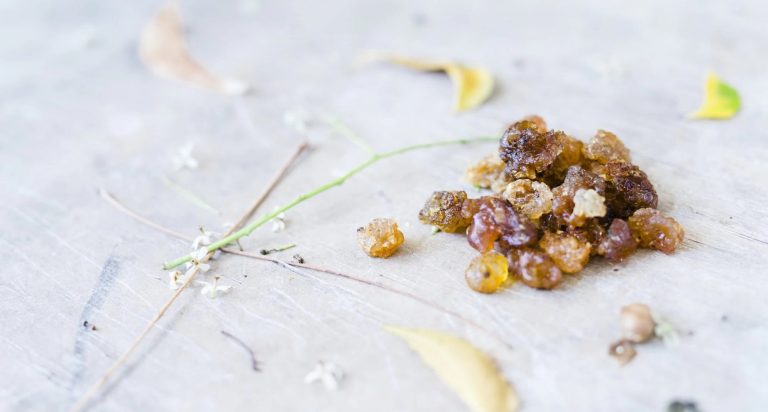
In a world full of synthetic products, natural products are wise choices. From the past to the present gums and resins have been produced in Iran. Tragacanth is one of them. We produce it in different qualities and distribute the raw materials in 25-50 kg paper bags or drums. Of course, other packing sizes are available upon request.

A title

Image Box text
A title

Image Box text
Types of Gums and Resins

  • Tragacanth  (Different Flake )                                                      
  • Almond gum
  • Asafetida                                                 
  • Galbanum

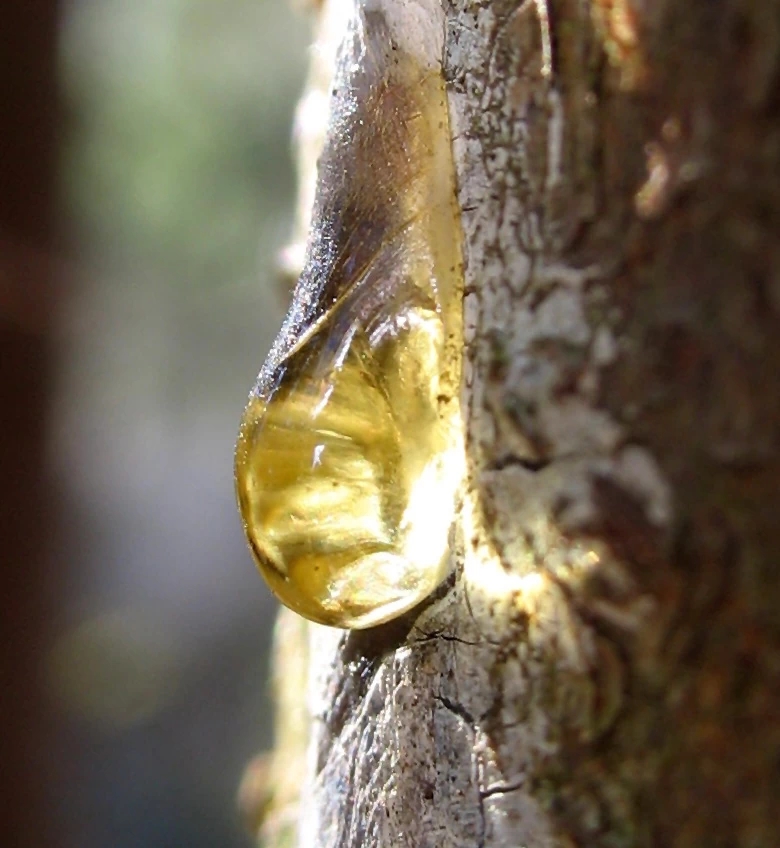
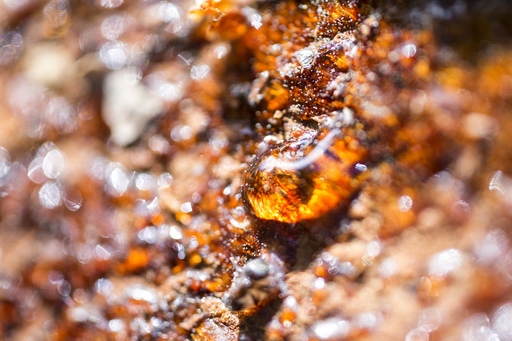
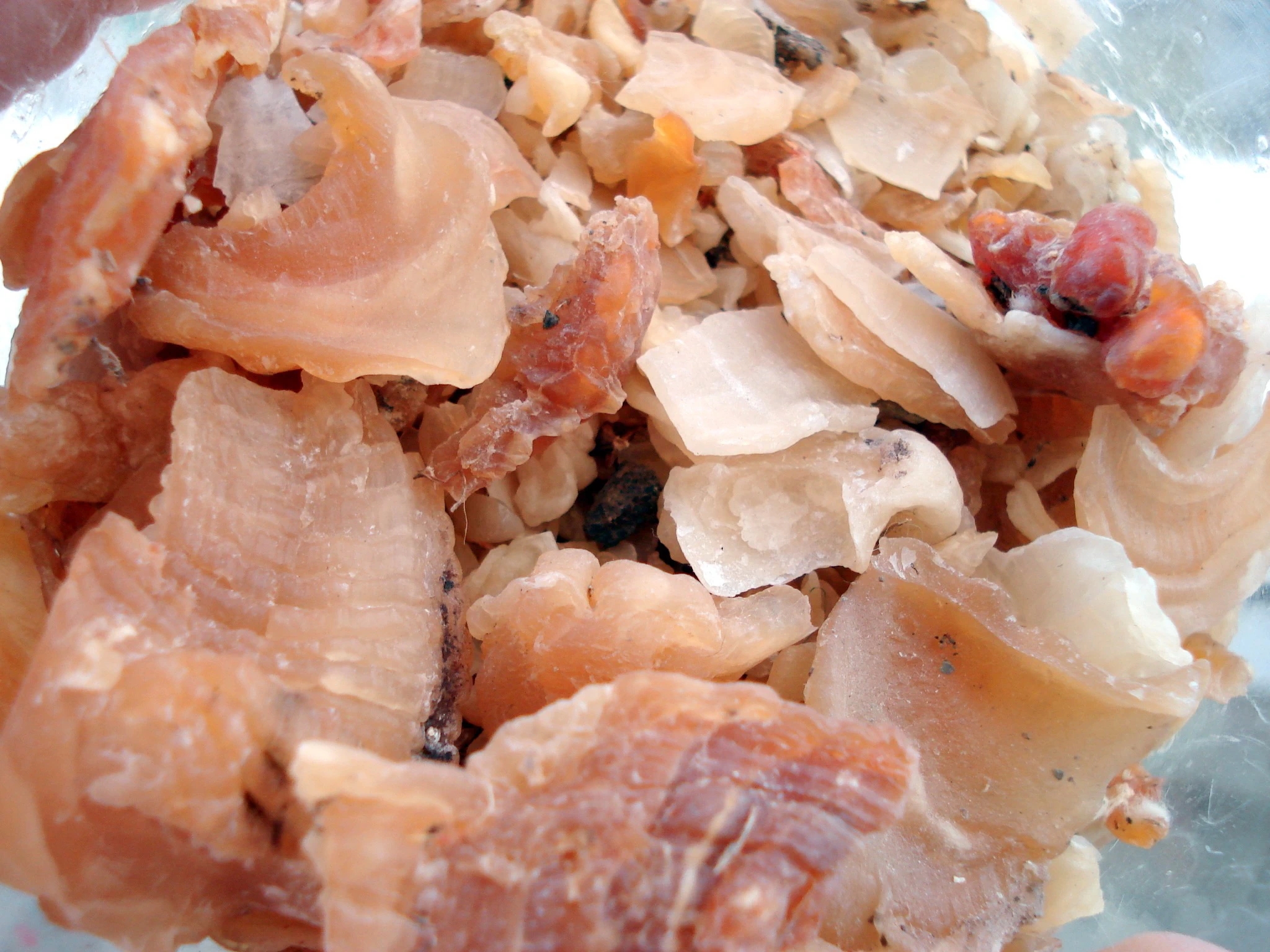
Gum Tragacanth

Gum Tragacanth is a natural exudate from several species of shrubs of the genus Astragalus or it exudes after the bark has been punctured. It is mainly found in the dry regions of Iran. It comes from Astrangalus gummifier and its compound is a complex mixture of acidic polysaccharides which consists of galacturonic acid, Galactose, fucose, Xylose, and Arabinose. The gum is naturally dried on the bark and afterward, it is collected by hand. The gum is entered into the market in one of three forms: natural tears, vermiform gum, and flakes. Printing, pastel crayon production, textile sizing and leather curing, and furniture polishes are some of the uses of Gum Tragacanth. It is also one of the oldest known drugs and was usually served in medical practices since 300 B.C. In modern medicine, it is commonly used for the suspension of insoluble powders and as an adhesive agent for pills and troches.

A title

Image Box text
Flavors

Flavors

Flavors are the main ingredients of leading food industry productions such as Confectionery, Bakery, Dairy, and Savory-based products and beverages. In General, flavor or taste is the perceptual impression of a substance especially food. Our gustatory system can primarily determine five basic tastes: sweet, sour, bitter, salty, and savory. Out of these basic tastes, thousands of different flavors can be manufactured for food which is an important part of the food industry. Different cultures around the world prefer different flavors; thereof some flavors are their favorites. Flavors are obtained from different sources whether naturally or chemically. Natural flavors are mainly taken from fruits, vegetables, herbs, seeds, or extracts of the plants. What is fabulous about mixing flavors is that a single recipe can be cooked with different flavors; therefore, food can be easily altered by changing its flavors while keeping its taste similar. Indeed, flavors are substances that change the taste of foods and making them more delicious. Having experts to create new fantastic flavors is the key to success in food industry markets. In this respect, Paradis Plants provides you with flavors to boost your final products with a unique taste and aroma. Our product ranges are from sweet, savory, different fruit flavors to variations of plant and vegetable flavors.

A title

Image Box text

A title

Image Box text

Flavors in Alborz Herbs

Sweet, Soury, Savoy flavors, fruit and vegetable flavors and more.

Meat flavors are available as following:

  • Chicken Seasoning Spices in 9 categories:

  Tandoori

Barbecue

Saffron

Vegetables

Spicy

  • Traditional Iranian Seasoning

Cheesy-Smoky Mix

Lemon

Special

  • Meat and Steak Seasoning in 3 categories:

Normal

Smoky

Spicy

  • Fish and Shrimp Seasoning in 3 categories:

Normal

Lemon

Spicy

  • Hamburger Seasoning in 2 categories:

Normal

Smoky

Dried Fruits

Dried Fruits

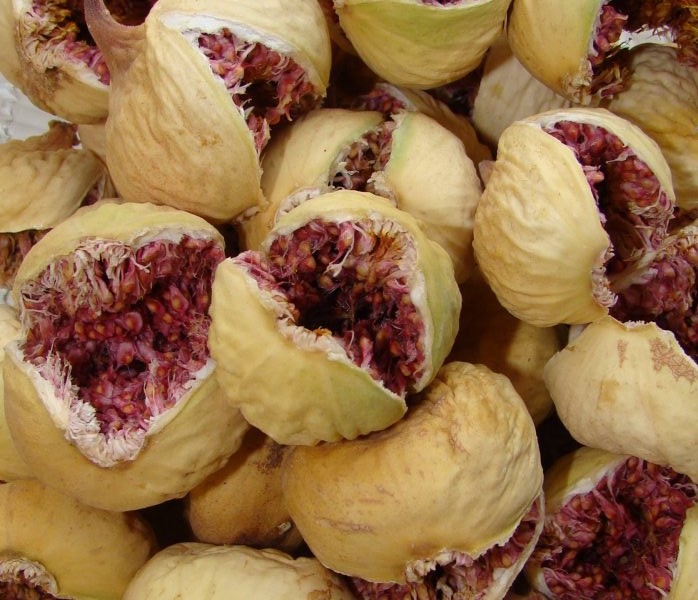
Iran`s climate gives us this opportunity to grow a variety of fruits. Provided by a wide range of sun-dried products, we have confirmation to export high-quality products in special packages to match your needs. In comparison to fresh fruits, dried fruits contain more fiber and more antioxidants called phenols. Heart disease, obesity, and some types of cancer are some diseases that fiber has a positive effect on. Diets that are rich in plant phenols have shown to be effective in lower rates of heart disease, diabetes, several kinds of cancer, and possibly degenerative brain diseases. As a result, eating dried fruits is a good way to be healthy since they are full of useful nutrients for our body.

A title

Image Box text

A title

Image Box text

Alborz Herbs' Dried Fruits

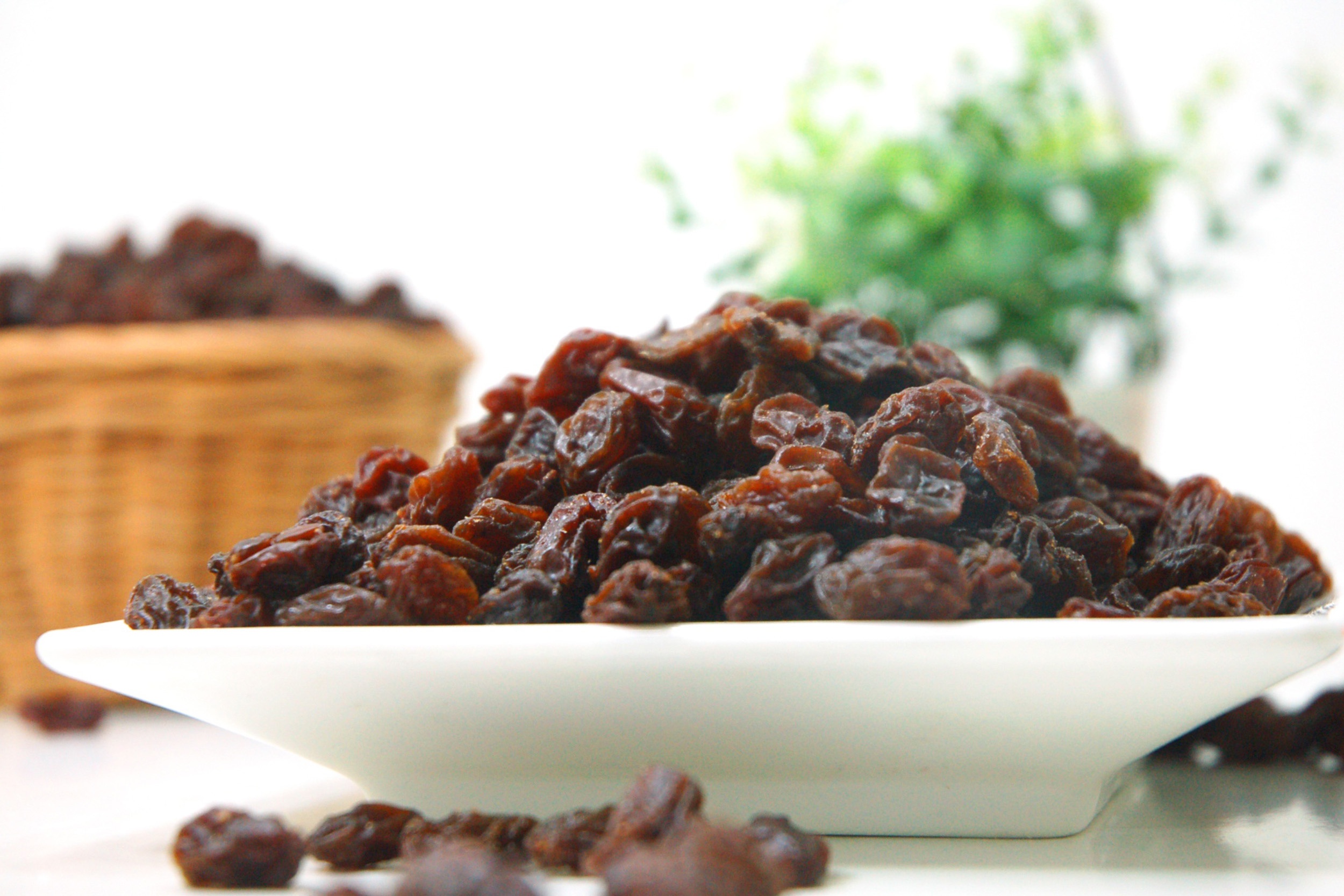
  • Raisin: Sultana Raisin, Golden Raisin, Green Raisin, Yellow Tall Raisin, Black Raisin, Red Raisin, White Raisin
  • Dates: Zahedi Dates, Piarom Dates, Rabbi Dates, Yellow Fresh Dates, Kabkab Dates, Mozafati Dates,
    Figs: Dried Figs Grade 101AAA, Dried Frigs Grade 101A, Dried Figs AA, Dried Figs Grade A, Dried Figs Grade B
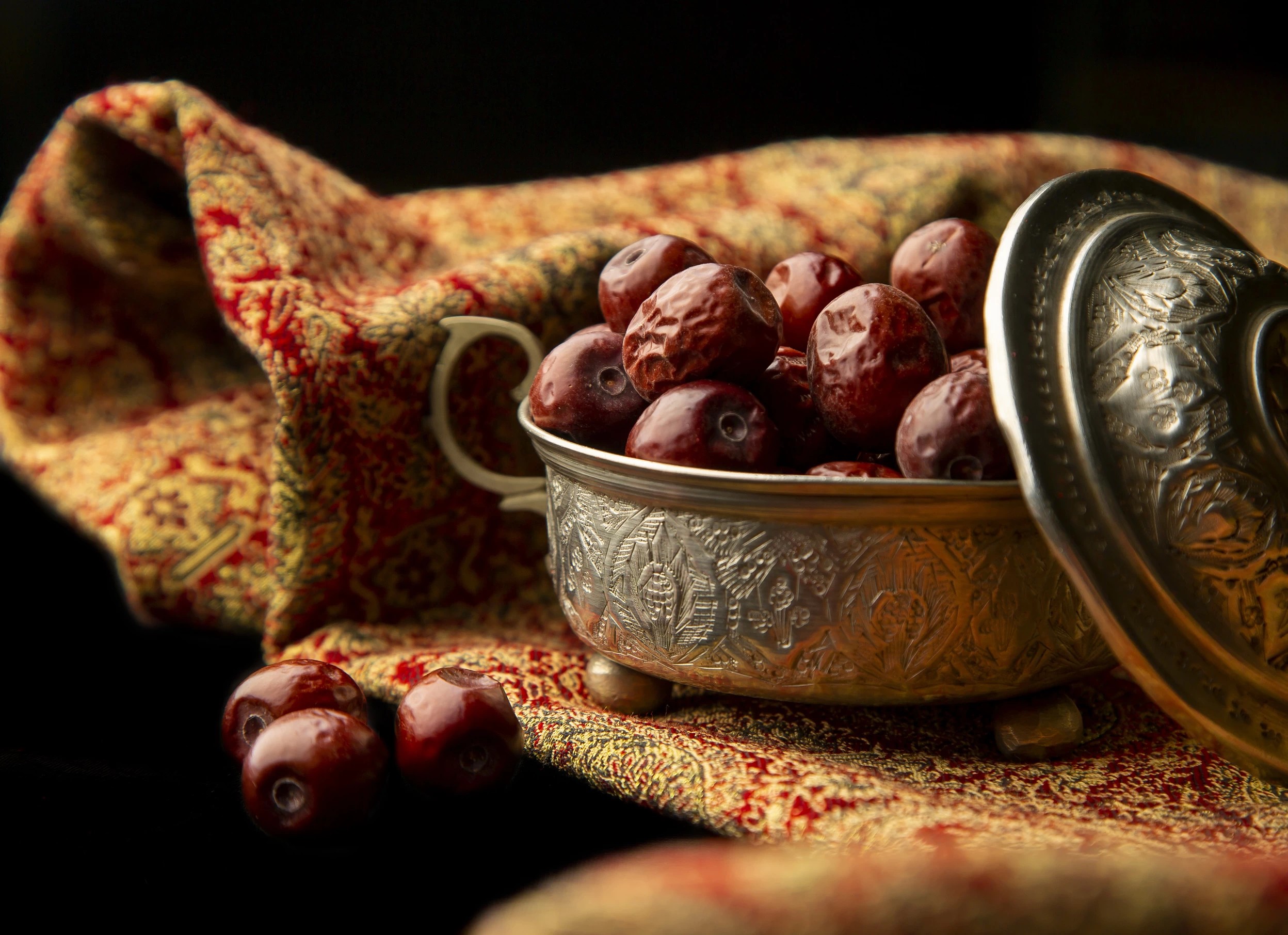
  • Jujube
  • Dried Lemon
  • Dried Orange
  • Dried Mulberry
  • Dried Appricot
  • Dried Plumes

Dried Figs Nutritional Value

Typical Value Per 40 Grams
Calories 113 Calories from Fat 2
Total Fat 0g 0%
Saturated Fat 0g 0%
Trans Fat 0g
Cholesterol 0mg 0%
Sodium 5mg 0%
Total Carbohydrate 26g 9%
Dietary Fiber 5g 20%
Sugars 20g
Protein 1g
Vitamin A <2%
Calcium 6%
Vitamin C <2%
Iron 6%

A title

Image Box text

Barberry

Barberry

Red jewels of Iran’s land taste like nature. Iran’s unique farms have the largest share of Barberry production in the world and therefore, we can provide our customers with the best quality in the market. Barberries are the ornaments on your dish. The sour and acidic taste of Barberry Vulgaris beautifully mixes with other flavors. The seedless fruit is produced in two grades: Pofaki and Anari. In addition, frozen barberry fruits, barberry powder, barberry concentrates, barberry stem barks, and roots powder are produced in our company for using in different industries such as pharmaceutical, culinary, and food industries. Plus, barberry consists of valuable nutrients such as protein, carbohydrates, sodium, fibers and it is rich in vitamin C. It has 316 calories of energy per 100 grams. Barberry is a source of large amounts of Pectin. In addition, barberry fruits have a lot of health benefits. In fact, they have been used in the treatment of diarrhea, stomach upset, and fever for many centuries. In Iran, it is popular to use it for the treatment of liver and gallbladder disorders. Barberry Tea is said to have a soothing effect and is used to treat heartburn. It is also useful to treat fever and lung infections. Since there exists an antifungal and anti-inflammatory substance in barberry, it is additionally used to treat inflammation around the privates and the urinary tract. Barberry is also useful as a remedial factor for nasal-related issues such as Bronchitis, nasal congestion, sore throat.

A title

Image Box text
A title

Image Box text

Barberry Grades

  1. Dried Barberry (Anari, Pofaki, Zir Talari)
  2. Organic Dried Barberry
  3. Frozen Barberry Fruits
  4. Barberry Powder
  5. Barberry Root

Nutritional Value of Barberry Fruit

Typical Values Per 100g Per Portion (25g)
Energy 316 calories 79.1 calories
Protein 3.6g 0.9g
Carbohydrates 63.9g 16g
_of which sugar 27.2g 6.8g
Fat 3.5g 0.9g
_of which saturates 0.5g 0.1g
Fiber 7.4g 1.9g
Sodium 0.017g 0.004g
Vitamin C 24mg 6mg

A title

Image Box text

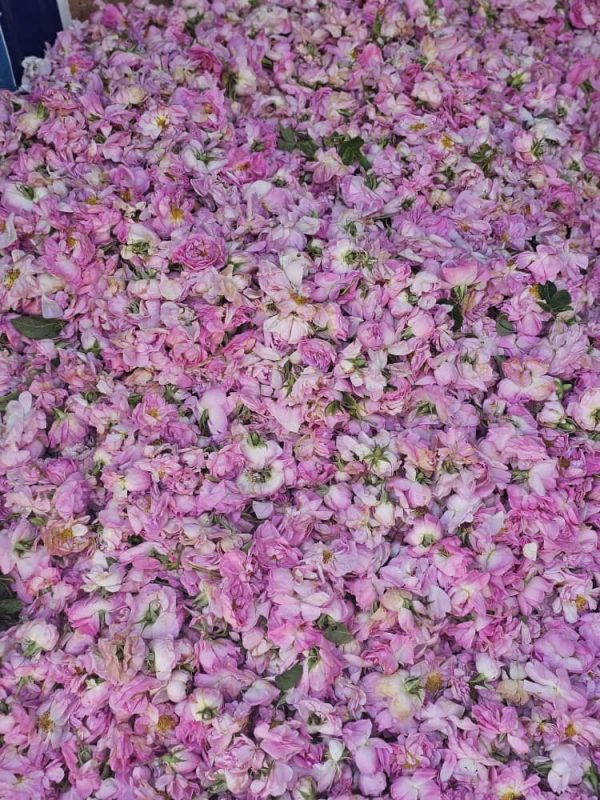
Dried Rose

Dried Rose

Dried rose petals are not only visually appealing but also packed with nutrients and therapeutic properties. They have been used for centuries in culinary, medicinal, and cosmetic applications.

A title

Image Box text

A title

Image Box text

Health Benefits of Dried Rose Petals

Dried rose petals are rich in antioxidants, such as polyphenols and flavonoids, which contribute to their health benefits.

Health Benefits of Dried Rose Petals:

  1. Rich in Antioxidants: The high levels of antioxidants help combat oxidative stress and support overall health.
  2. Digestive Aid: Dried rose petals are often used in teas to soothe digestive discomfort and improve gut health.
  3. Skin Health: Their anti-inflammatory and antibacterial properties make them effective in treating skin irritations and promoting a healthy glow.
  4. Mood Enhancer: The calming aroma of dried rose petals can help reduce stress and anxiety.
  5. Anti-inflammatory Properties: They may help reduce inflammation in the body, benefiting conditions like arthritis.

Nutritional Value of Dried Rose Petals

Dried rose petals are a source of essential nutrients and bioactive compounds. Here's an approximate nutritional profile per 100 grams:

A title

Image Box text

A title

Image Box text

Uses of Dried Rose Petals

  • Culinary: Dried rose petals are used in teas, desserts, and traditional dishes like gulkand (a rose petal preserve).
  • Cosmetics: They are a common ingredient in face masks, scrubs, and bath soaks for their soothing and rejuvenating effects.
  • Aromatherapy: Their fragrance is used in potpourri and essential oils to create a relaxing atmosphere.

Orange Flower


Orange Tree is an evergreen plant, a tree up to 5 meters high. The fragrant flower of the orange tree (Citrus sinensis) is well-known as Orange Flower or Orange Blossom. While fresh, orange flower has a pleasant aroma and taste. The orange flower’s petals are white and it has five sepals, five fleshy petals, and twenty flags.


Its fragrance is used in perfume making, is famous as an aphrodisiac, and abundant in two states of Iran, Mazandaran in the north and Shiraz in the south. The essence of Orange blossom is a significant component in perfume manufacturing or is used as an ingredient in ground form or orange flower water in culinary preparations. The Orange Flower’s petals can also be made into the fantastic aromatic orange flower water which is common in Middle Eastern cuisine and some European countries’ cuisine. As a result, it is considerably used as an ingredient in confectionary for making a long list of desserts and sweets.


In mid-May, orange flowers bloom. Orange flowers are usually harvested early in the morning. The harvest of the orange flowers is mainly carried out in a traditional way. In fact, a large piece of cloth is spread under each tree in order to collect the petals as clean as possible. Afterward, fallen blossoms are taken to the factory in order to be double-sorted and finally wrapped into special packages. Orange flowers are usually dried in the dark and then used to make orange flower tea, essential oil, water, or jam. Moreover, Orange flower water is the result of the distillation of scented by-product of fresh bitter-orange blossoms for their essential oil.


Orange blossom is a plant that has a lot of useful benefits for our health and is full of different vitamins such as vitamins C and D. This plant is rich in magnesium, manganese, boron, calcium, zinc, selenium, sodium, copper, potassium, and vitamins B, C, and D, as well as active compounds including flavonoids and furanocoumarins. It also strengthens the nervous system of the body (having a relaxing effect) and the stomach, regulates heart rate, and prevents seizures and heart attacks. Additionally, it also quickly reduces nervous headaches and migraines. So, try to enjoy your evenings with a cup of orange flower tea.


Iran is a country of four seasons


Iran is a country of four seasons. Due to the special geographical location of Iran, its location between the two seas, its special topography and many other factors, special and unique plant species can be found everywhere in Iran. Plant diversity of Iran is so vast that it makes it unique among other countries in the Middle East.

Iran is very rich in vegetation due to its great climatic diversity and unique topography. In fact, every part of the country has its own plant. Desert areas have saline plants and foothills have wild foothill plants. In fact, changing climatic conditions have led to the creation of different ecosystems in Iran. This climatic diversity has created significant biodiversity in Iran, about 8,000 species or units of plant subspecies have been identified in this country, of which about 2500 are native units. This number of plant species is equal with plant species throughout Europe continent.  
In a series of blog posts, we will introduce you with some famous species of native plants of Iran. So, stay tuned to Alborz Herbs.


Add a new location

Edit Location

Add up to 5 images to create a gallery for this location.

×