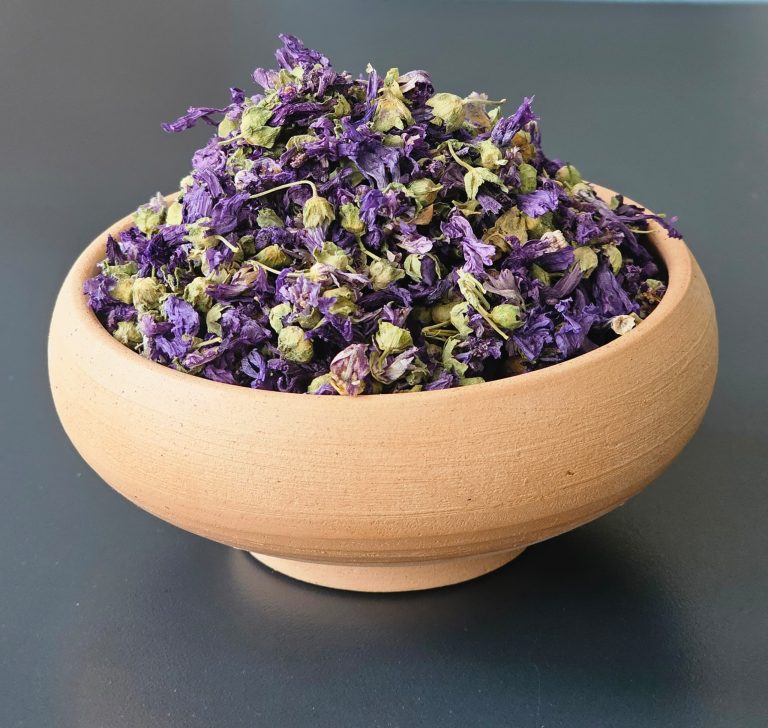
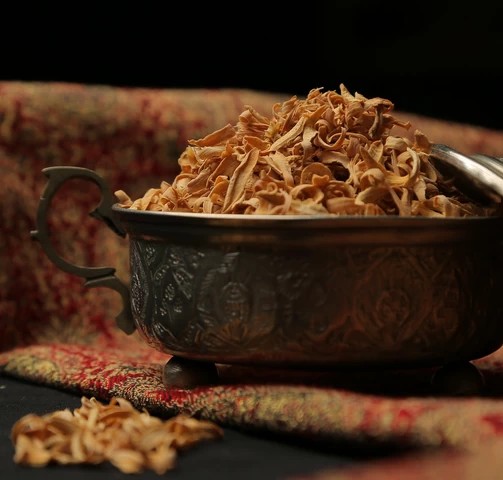
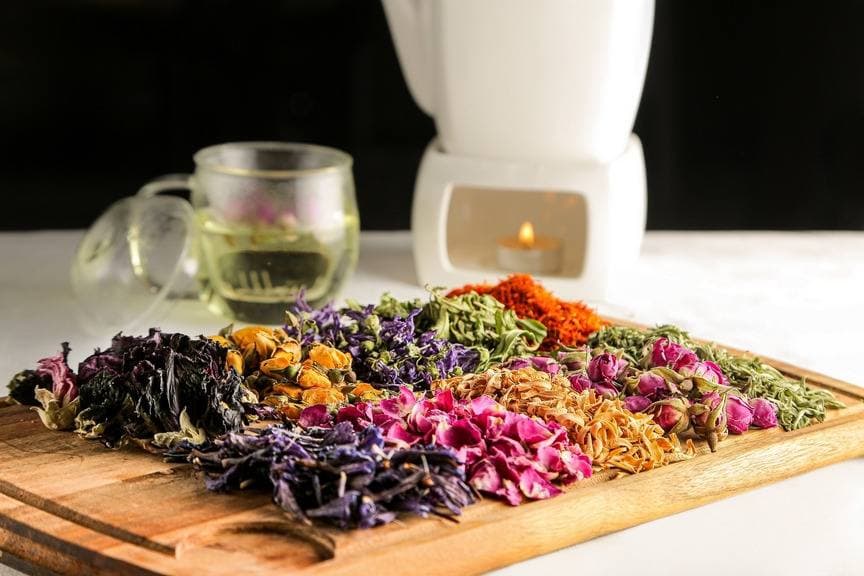
Spring Orange Oil

Spring Orange Oil – Brightness & Vitality in Every Drop

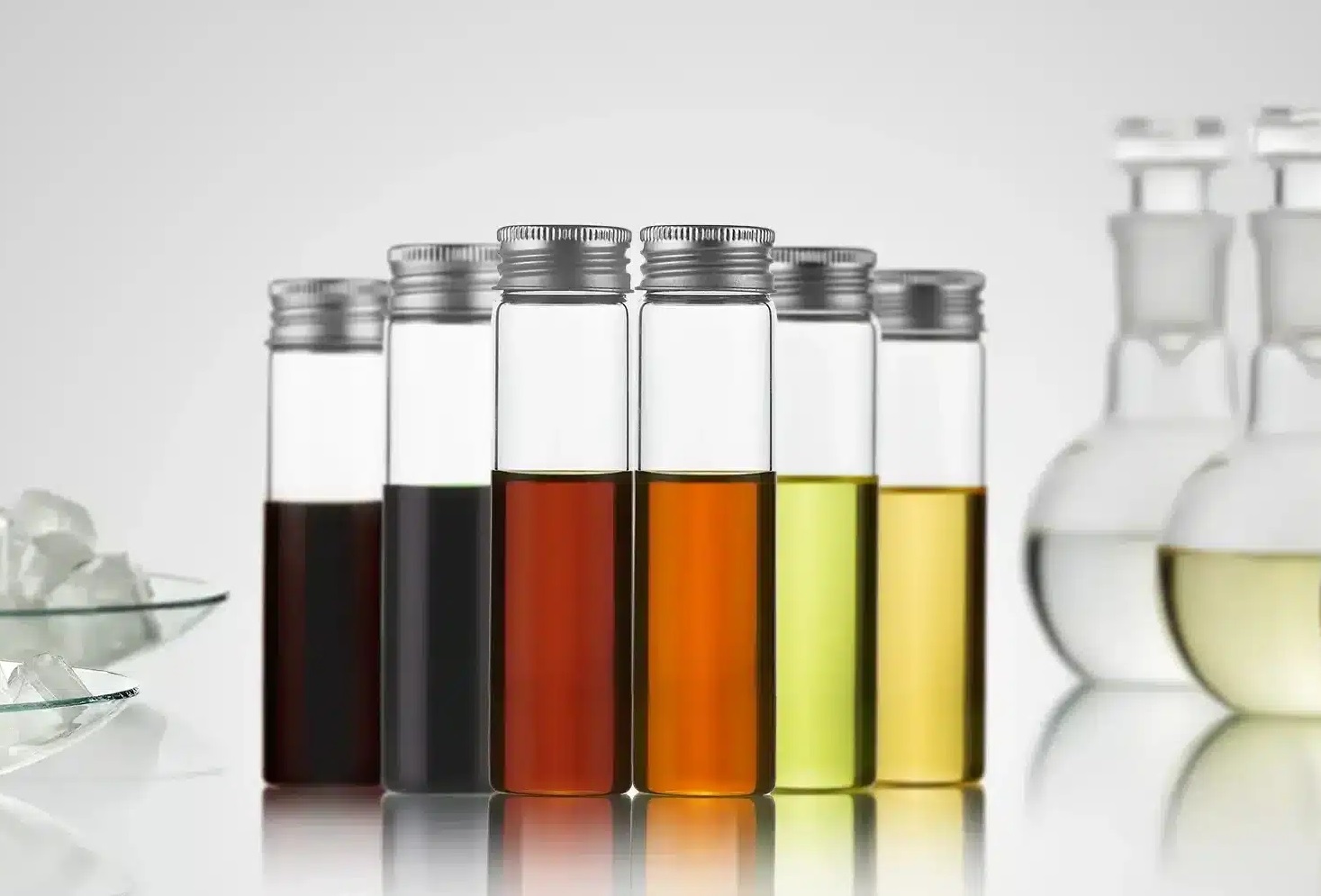
Our Spring Orange Oil is a vibrant, cold-pressed essential oil extracted from the zest of fresh spring-harvested oranges. With its uplifting aroma, natural antibacterial properties, and skin-brightening effects, it’s a favorite among formulators in skincare, hair care, and wellness products.


A title

Image Box text
A title

Image Box text

Benefits of Spring Orange Oil

  • 100% Pure & Cold-Pressed: Preserving full aromatic and therapeutic profile.
  • Rich in Limonene: Known for detoxifying, clarifying, and energizing the skin.
  • Ideal for Cleansers, Serums & Hair Tonics: Adds freshness and function.
  • Eco-Friendly & Responsibly Sourced: From certified orchards in Iran.
  • Custom Packaging & Private Label Options: Tailored for cosmetic brands and labs.

Whether you're crafting a revitalizing face mist, a natural deodorant, or a citrus-infused shampoo, our Spring Orange Oil brings radiance, purity, and performance to your formulation.

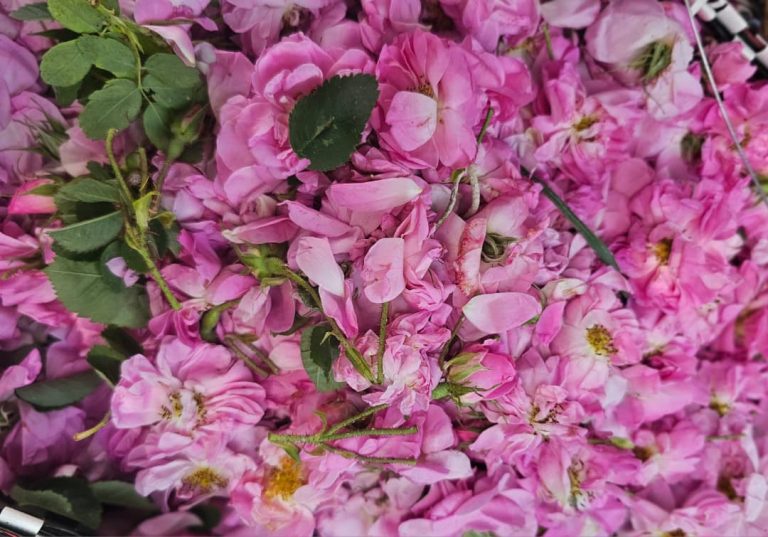
Rose Oil

Rose Oil – Nature’s Luxury for Skincare & Cosmetics

At Alborz Herbs, we proudly offer one of nature’s most exquisite botanical treasures: pure rose oil, steam-distilled from fresh Rosa damascena petals grown in the heart of Iran’s legendary rose fields.
Renowned for its anti-aging, anti-inflammatory, and aromatherapeutic properties, rose oil is a premium ingredient in luxury skincare, clean beauty formulations, and wellness rituals worldwide.


A title

Image Box text

A title

Image Box text

Why Our Rose Oil Stands Out

  • 100% Pure & Natural: No additives, solvents, or synthetic compounds.
  • Steam Distilled: Preserving the full spectrum of active compounds.
  • Rich in Citronellol & Geraniol: Known for skin regeneration and calming effects.
  • Certified Organic: Compliant with EU and international standards.
  • Custom Packaging Available: Tailored for cosmetic labs, private labels, and bulk buyers.

Whether you're formulating a rejuvenating serum, a soothing facial mist, or a high-end fragrance, our rose oil delivers unmatched purity, potency, and elegance.

Wild Pistachio Oil

Wild Pistachio Oil

Iran’s Hidden Gem for Natural Skincare & Haircare
We proudly present our premium-grade Wild Pistachio Oil (Baneh Oil), extracted from the native pistachio trees of Iran. Rich in essential fatty acids, antioxidants, and anti-inflammatory compounds, this oil is a powerful ingredient for clean beauty formulations.


A title

Image Box text

A title

Image Box text

Benefits of Wild Pistachio Oil

  • Skin Care: Deep hydration & skin barrier repair
  • Anti-acne & soothing properties
  • Nourishes hair follicles & reduces hair loss
  • Ideal for creams, serums, shampoos & handmade soaps

Our oil is: 100% pure, cold-pressed, and sustainably sourced, perfect for brands seeking authentic, high-performance botanical ingredients.

We welcome partnerships with cosmetic manufacturers, distributors, and clean beauty brands in Japan, Europe, and beyond.

Pomegranate Concentrate

Pomegranate Concentrate

At Alborz Herbs, we are committed to delivering high-quality, reliable ingredients for the food and beverage industry.
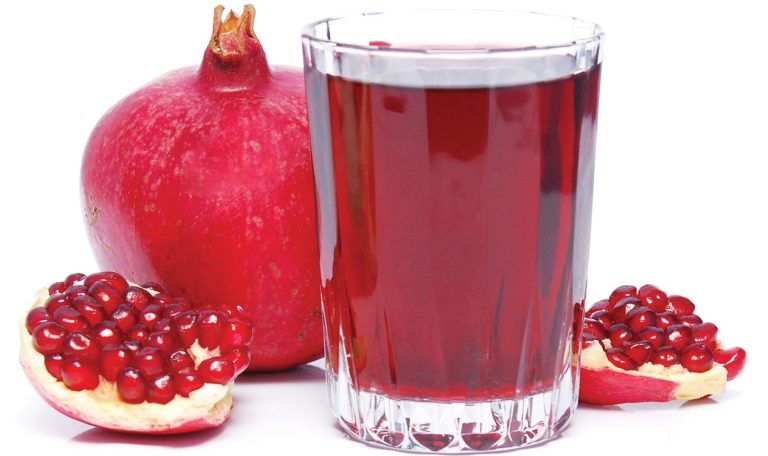
Our Pomegranate Concentrate is crafted from freshly harvested, top-grade pomegranates using advanced processing methods to preserve the fruit’s natural flavor, vibrant color, and nutritional value.
 
🔹 Standardized Brix levels
🔹 100% natural – no preservatives or additives
🔹 Long shelf life and excellent solubility
🔹 Ideal for juices, smoothies, fruit drinks, and dessert applications
 
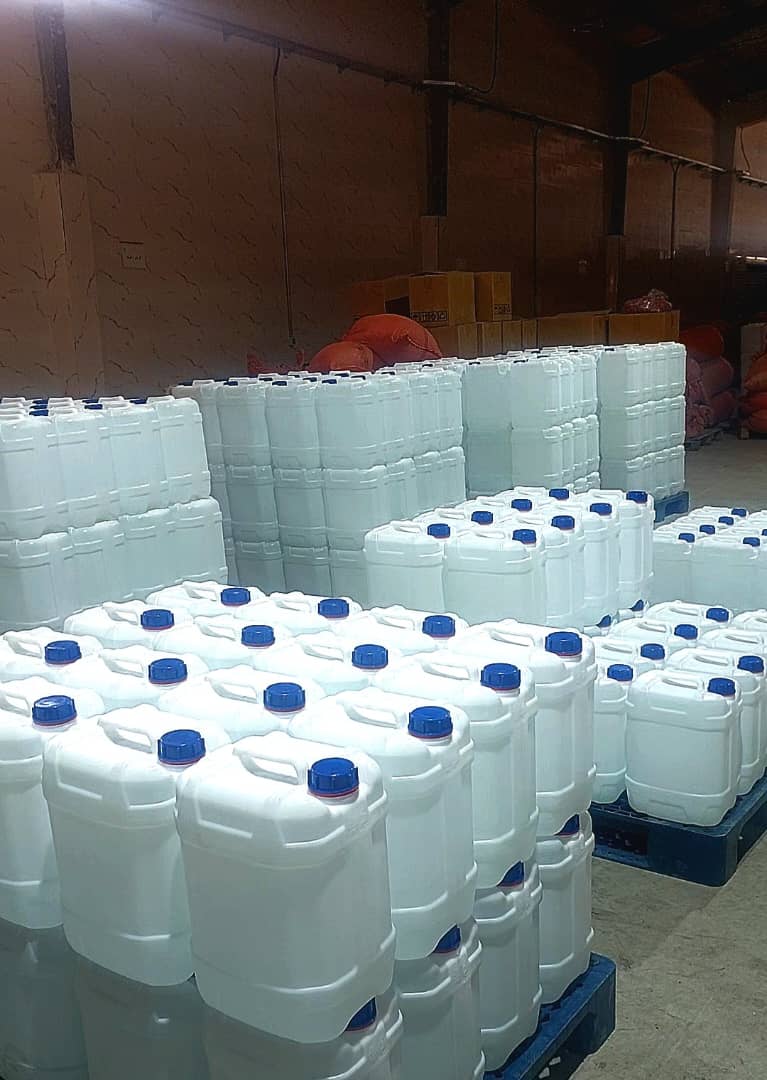
Whether you're producing for domestic or export markets, Alborz Herbs is your trusted partner for consistent supply and outstanding quality.

A title

Image Box text

Cumin Seeds

Premium Cumin Seeds

At Alborz Herbs, we supply top-grade cumin seeds (Cuminum cyminum), carefully sourced and processed to meet the highest standards of quality, flavor, and purity.

Cumin is widely valued in the food, spice, and health supplement industries for its digestive benefits and bold aroma. Our cumin is sun-dried, machine-cleaned, and available in bulk or private-label packaging for international buyers.

We export directly from Iran to Europe, Asia, and the Middle East with full quality certifications.

A title

Image Box text

Spices

Spices

A spice includes a seed, fruit, root, bark, salt, or other plant substances. Spices are essentially used for flavoring or coloring food. Traditionally, spices are used as flavors for food but nowadays, they are consumed in medicine, cosmetics or perfume production. Botanically, spices can be categorized based on their source of plant part as following: Seeds or Fruits: Examples include fennel, nutmeg, coriander, fenugreek, mustard, and black pepper, etc. Leaves of aromatic plants: basil, bay leaf, rosemary, thyme, etc. Bark: Cinnamon, Cassia, etc. Bark or Roots: such as include garlic, galangal, turmeric, ginger, etc. Health benefits of Spices Spice up your meal and build a healthy immune system with spices in your diet! Spices not just bring an extra taste to your dishes but also consist of a lot of great components such as antioxidants, minerals, phytonutrients, essential oils and vitamins that are totally beneficial for our body. Spices are composed of plant-derived chemical compounds that are well-known for having properties to treat diseases and improve health. The components in the spices also have anti-inflammatory, carminative, anti-flatulent, and also an anti-clotting function which prevents stroke episode, and coronary artery disease through easing blood flow. In fact, the treatment of colds, influenza, mild fevers, indigestion, stomach upset, and painful menstruation are some of diseases that decoction of certain healthy spices is used for. Spices are mostly available in the form of powder but in Alborz Herbs, we provide you the high-quality spices in different sizes and forms with the taste of Iran’s nature.

A title

Image Box text

A title

Image Box text

Spices in Alborz Herbs

  • Saffron
  • Tarragon
  • Cumin Seeds (Green)
  • Mint
  • Peppermint
  • Thyme
  • Safflower
  • Savory
  • Oregano 
  • Coriander Seeds (and Powder)

Health benefits of Spices

Spice up your meal and build a healthy immune system with spices in your diet!
Spices not just bring an extra taste to your dishes but also consist of a lot of great components such as antioxidants, minerals, phytonutrients, essential oils, and vitamins that are totally beneficial for our body. Spices are composed of plant-derived chemical compounds that are well-known for having properties to treat diseases and improve health. The components in the spices also have anti-inflammatory, carminative, anti-flatulent, and also an anti-clotting function which prevents stroke episode, and coronary artery disease through easing blood flow. In fact, the treatment of colds, influenza, mild fevers, indigestion, stomach upset, and painful menstruation are some of the diseases that decoction of certain healthy spices is used for.
Spices are mostly available in the form of powder but in Alborz Herbs, we provide you high-quality spices in different sizes and forms with the taste of Iran’s nature.

A title

Image Box text

A title

Image Box text

Coriander Seeds

  • Coriander is a fragrant herb, rich in antioxidant that holds a lot of culinary uses and health benefits. The level of blood sugar may be reduced by these seed and also, they fight infections, and improve your heart, brain, skin, and digestive health. as a consequence, it can be used for dietary purposes.

    Nutritional Value of Coriander Seeds

    Calories 5.4

    Serving Size: tsp (1.8g grams)

    % Daily Value

    Total Fat

    0.3g grams

    0%

    Saturated Fat

    0g grams

    0%

    Polyunsaturated Fat

    0g grams


    Monounsaturated Fat

    0.2g grams


    Cholesterol

    0mg milligrams

    0%

    Sodium

    0.6mg milligrams

    0%

    Potassium

    23mg milligrams

    1%

    Total Carbohydrates

    1g grams

    0%

    Dietary Fiber

    0.8g grams

    3%

    Protein

    0.2g grams


    Vitamin A


    0%

    Vitamin C


    0.6%

    Calcium


    1%

    Iron


    1.6%

Saffron

Saffron

As one of the famous Iranian natural products in the world, Saffron is cultivated in the northeast of Iran. Its vivid crimson stigma is used as an agent in coloring and seasoning food as well as confectionery products. It is the threads (stigmas) from the saffron Crocus sativus flower. In every single flower, there can only be found three saffron stigmas (female part) which are referred to as saffron threads. These threads must be hand-picked and also, sorted by hand so that’s why it is so precious and expensive.

A title

Image Box text

A title

Image Box text

Organic Saffron

Organic Saffron is a product stemming from organic sources that Paradis Plants offers to the customers. Our saffron comes with its high coloring and fragrant ability. Organic saffron is grown in our finest lands of Khorasan and are regularly inspected by certifying organizations. Our saffron cultivators put all their efforts to work in order to produce a top notch saffron.

Types of Saffron

Negin Saffron: a new variety of saffron that is longer and thicker than common saffron.

Sargol Saffron (All red saffron): it is pure saffron and contains the stigma without the style. Out of 105 kg of saffron flowers, one can collect 1kg of Sargol saffron.

Pushal Saffron (Mancha saffron): Pushal saffron refers to the stigmas with a 3-5mm style. 1kg of Pushal saffron is collected out of 101kg of saffron flowers.

Daste Saffron (Bunches Saffron): Daste saffron includes the stigma with the whole style.

Style Saffron: Style saffron only contains the style without the stigma.


A title

Image Box text

A title

Image Box text

Medicinal Uses

The active ingredients existing in saffron consists of many therapeutic applications in many traditional medicines since a long time as anti-spasmodic, carminative, diaphoretic.

It is shown in some research studies that safranal, which is a volatile oil, is effective on cancer cells with its the antioxidant, cytotoxic reserve, and has anticonvulsant and antidepressant properties.

It has been found that the carotenoid compound, α-crocin, which is the cause that the spice has a special golden-yellow hue, has antioxidant, antidepressant, and anti-cancer properties.

Saffron Nutritional Value

Amount Per Serving: 310 Calories

Serving Size: 100 g

% Daily Value

Total Fat

5.9g

8 %

Saturated Fat

1.6g

8 %

Sodium

148mg

6 %

Total Carbohydrate

65g

24 %

Dietary Fiber

3.9g

14 %

Protein

11g

22 %

Vitamin D

0.00mcg

0 %

Calcium

111.00mg

9 %

Iron

11.10mg

62 %

Potassium

1724mg

37 %

A title

Image Box text

Rose Water

Rose Water

Rose water is a fragrant liquid made by steeping or distilling rose petals in water. It has been cherished for centuries for its culinary, cosmetic, and medicinal uses. Originating in ancient Persia(IRAN), rose water is still widely used today in various cultures around the world.


A title

Image Box text

A title

Image Box text

Benefits of Rose Water

  • Skin Care: Rose water is a natural toner that helps hydrate and soothe the skin. Its anti-inflammatory and antibacterial properties make it effective for reducing redness, irritation, and acne.
  • Antioxidant Properties: Rich in antioxidants, rose water helps protect skin cells from damage caused by free radicals.
  • Mood Enhancer: The aroma of rose water is known to have calming effects, reducing stress and promoting relaxation.
  • Digestive Aid: In traditional medicine, rose water is used to soothe digestive discomfort and improve appetite.
  • Wound Healing: Its antiseptic properties can help clean wounds and promote faster healing.

Uses of Rose Water

  • Culinary: Rose water is a popular ingredient in desserts, beverages, and savory dishes, especially in Middle Eastern and South Asian cuisines. It adds a subtle floral flavor to recipes like baklava, Turkish delight, and rose-flavored teas.
  • Cosmetics: It is a key ingredient in facial mists, toners, and creams, providing hydration and a refreshing feel.
  • Aromatherapy: Rose water is often used in diffusers or as a natural room spray to create a calming atmosphere.
  • Religious and Cultural Practices: It is used in ceremonies and rituals for its symbolic purity and fragrance.

A title

Image Box text

A title

Image Box text

Rose Water Specifications

  • Rose water is a fragrant liquid obtained by distilling fresh rose petals, typically from the Rosa damascena species. It is widely used in culinary, cosmetic, and medicinal applications. Here are some key specifications:

    • Appearance: Clear, transparent liquid.
    • Aroma: Characteristic floral scent of roses.
    • pH Range: 5.5–7.0.
    • Oil Content: At least 0.02% essential oils.
    • Additives: No coloring or preservatives are typically added.
    • Processing Method: Steam distillation of rose petals, followed by pasteurization and bottling.
    • Shelf Life: 1.5 to 3 years, depending on storage conditions.


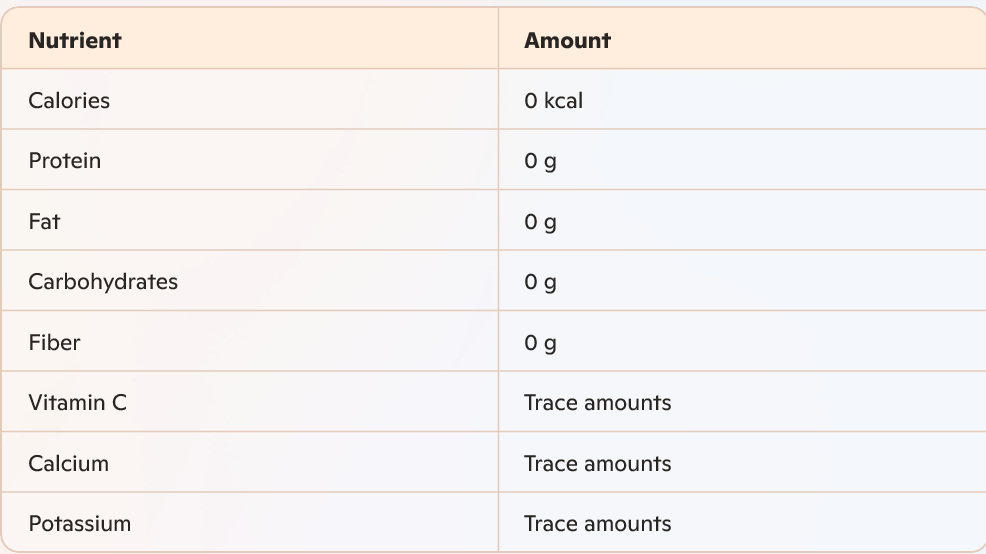
Nutritional Value of Rose Water

  • Rose water is primarily composed of water and contains minimal nutrients. Here's an approximate nutritional profile per 100 grams:

    While rose water itself is not a significant source of nutrients, it contains trace amounts of antioxidants and bioactive compounds derived from rose petals, which contribute to its therapeutic properties.

A title

Image Box text

RAW MATERIALS FOR TEA

RAW MATERIALS FOR TEA

The raw materials for tea primarily come from the Camellia sinensis plant, which is cultivated in tropical and subtropical climates. Here’s a breakdown of the key raw materials and components involved in tea production:

Key Raw Materials for Tea

  1. Tea Leaves:
    • The young, tender leaves and buds of the tea plant are the primary raw materials.
    • Varieties include Camellia sinensis sinensis (Chinese tea) and Camellia sinensis assamica (Indian Assam tea).
    • The quality of tea depends on the flushes (newly formed leaves and buds) harvested.
  2. Herbs and Botanicals (for herbal teas):
    • Ingredients like chamomile, peppermint, hibiscus, and lemongrass are used for herbal infusions.
    • These are often blended with tea leaves or used on their own.
  3. Flavorings and Additives:
    • Natural flavorings such as bergamot oil (used in Earl Grey), vanilla, or fruit extracts.
    • Spices like cinnamon, cardamom, and cloves are added for spiced teas.
  4. Water:
    • Essential for processing tea leaves, especially during withering, rolling, and fermentation stages.
  5. Packaging Materials:
    • Tea bags, sachets, or loose-leaf packaging materials like paper, foil, or biodegradable pouches.


A title

Image Box text

A title

Image Box text

Types of Tea and Their Processing

  • Green Tea: Made from unoxidized leaves, retaining their natural color and antioxidants.
  • Black Tea: Fully oxidized leaves, resulting in a robust flavor and dark color.
  • Oolong Tea: Partially oxidized, offering a balance between green and black tea.
  • White Tea: Minimally processed, using young leaves and buds.
  • Herbal Tea: Made from herbs, flowers, and spices, without actual tea leaves.

Tea production is a meticulous process that involves harvesting, withering, rolling, oxidation (for certain types), drying, and packaging. Each step contributes to the unique flavor and aroma of the final product.

Tea is not just a taste, it can be a memory

Tea is an evergreen shrub (bush) native to East Asia. Tea is a beverage that is primarily popular for its aroma and it is mostly made by pouring hot or boiling water over leaves of the Camellia sinensis or it is usually brewed in some countries. In fact, it has the highest consumption in the world after water. There are also many different types of tea; some, like Chinese greens, and Darjeeling have a slightly cooling astringent, and bitter flavor, while others are drastically different that taste like sweet, nutty, floral, or grass. Due to its caffeine content, Tea has an energizing effect which sometimes removes fatigue and brings freshness to the body.


A title

Image Box text

Pistachios

Pistachios

Alborz Herbs provides you with different grades of best Iranian pistachios. We use several methods such as sun drying, or through the use of specialized industrial dryers. Today, pistachios are produced in many regions of the world, and all cultures and countries add them into their food as the main ingredients. Our pistachios' taste is exquisite and unforgettable.

A title

Image Box text

A title

Image Box text

Pistachio in Alborz Herbs

Pistachio Kernel and Pistachio Green Kernel Alborz Herbs Kernel And Green Kernel Pistachio ranges in seven grades. Grade S Grade A Grade B Grade C Grade D Grade F Grade G Jumbo Iranian Pistachio (Kalle-Qouchi) Size: 20/22 to 24/26 Type Available: Natural Pistachio/ Mechanically Opened Pistachio / Closed Pistachio / Roasted Pistachio / Roasted and Salted Pistachio /Roasted and salted pistachio with added lime Long Iranian Pistachio (Akbari, AHMADAGHAEE, BADAMI) Size: 20/22 to 24/26 Type Available: Natural Pistachio/ Mechanically Opened Pistachio / Closed Pistachio / Roasted Pistachio / Roasted and Salted Pistachio /Roasted and salted pistachio with added lime Round or Fandoghi Pistachio Size: 28/30 to 32/34 Type Available: Natural Pistachio/ Mechanically Opened Pistachio / Closed Pistachio / Roasted Pistachio / Roasted and Salted Pistachio /Roasted and salted pistachio with added lime

Our Pistachios Taste Like Iran

One of the symbols of Iranian culture is the pistachio and is mostly used in special gatherings and ceremonial events and celebrations. Iran’s pistachio has many fans around the world since it has excellent quality and is therefore among the most important examples of Iranian exports to the global markets. The significant advantage of the Persian pistachio over the rest of the pistachios is its great variety and the favorable and economical price. Valuable nutritional compounds such as protein, minerals, antioxidants, and vitamins are found in Kernels inside crusts. As a rich source of useful components, pistachios are full of protein, iron, zinc, calcium, potassium, and many other minerals. With different types and tastes, each grade of pistachio has its special features. Overall, nuts are beneficial for the health of the body. In Iran, Pistachio is among the top exported products and Iranian Pistachio is famous around the world.

A title

Image Box text

Add a new location

Edit Location

Add up to 5 images to create a gallery for this location.

×