Cumin Seeds

Premium Cumin Seeds

At Alborz Herbs, we supply top-grade cumin seeds (Cuminum cyminum), carefully sourced and processed to meet the highest standards of quality, flavor, and purity.

Cumin is widely valued in the food, spice, and health supplement industries for its digestive benefits and bold aroma. Our cumin is sun-dried, machine-cleaned, and available in bulk or private-label packaging for international buyers.

We export directly from Iran to Europe, Asia, and the Middle East with full quality certifications.

A title

Image Box text

RAW MATERIALS FOR TEA

RAW MATERIALS FOR TEA

The raw materials for tea primarily come from the Camellia sinensis plant, which is cultivated in tropical and subtropical climates. Here’s a breakdown of the key raw materials and components involved in tea production:

Key Raw Materials for Tea

  1. Tea Leaves:
    • The young, tender leaves and buds of the tea plant are the primary raw materials.
    • Varieties include Camellia sinensis sinensis (Chinese tea) and Camellia sinensis assamica (Indian Assam tea).
    • The quality of tea depends on the flushes (newly formed leaves and buds) harvested.
  2. Herbs and Botanicals (for herbal teas):
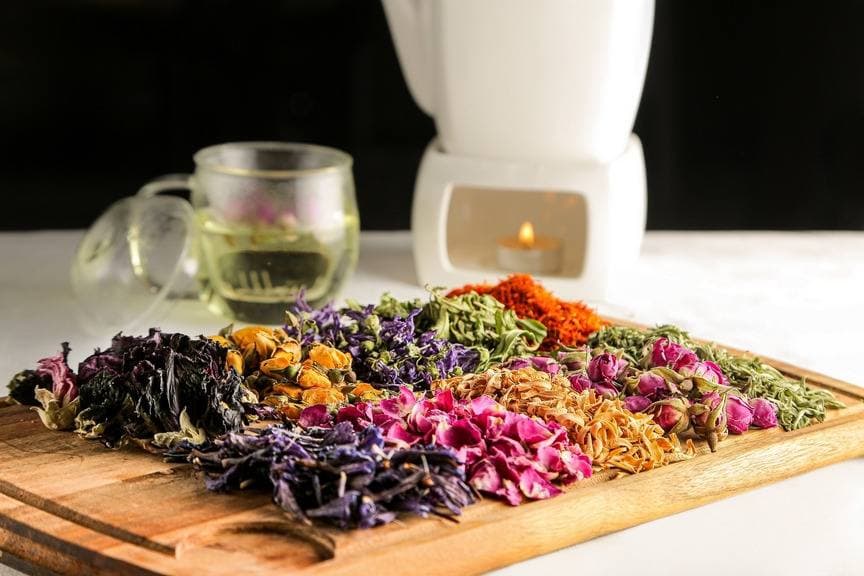
    • Ingredients like chamomile, peppermint, hibiscus, and lemongrass are used for herbal infusions.
    • These are often blended with tea leaves or used on their own.
  3. Flavorings and Additives:
    • Natural flavorings such as bergamot oil (used in Earl Grey), vanilla, or fruit extracts.
    • Spices like cinnamon, cardamom, and cloves are added for spiced teas.
  4. Water:
    • Essential for processing tea leaves, especially during withering, rolling, and fermentation stages.
  5. Packaging Materials:
    • Tea bags, sachets, or loose-leaf packaging materials like paper, foil, or biodegradable pouches.


A title

Image Box text

A title

Image Box text

Types of Tea and Their Processing

  • Green Tea: Made from unoxidized leaves, retaining their natural color and antioxidants.
  • Black Tea: Fully oxidized leaves, resulting in a robust flavor and dark color.
  • Oolong Tea: Partially oxidized, offering a balance between green and black tea.
  • White Tea: Minimally processed, using young leaves and buds.
  • Herbal Tea: Made from herbs, flowers, and spices, without actual tea leaves.

Tea production is a meticulous process that involves harvesting, withering, rolling, oxidation (for certain types), drying, and packaging. Each step contributes to the unique flavor and aroma of the final product.

Tea is not just a taste, it can be a memory

Tea is an evergreen shrub (bush) native to East Asia. Tea is a beverage that is primarily popular for its aroma and it is mostly made by pouring hot or boiling water over leaves of the Camellia sinensis or it is usually brewed in some countries. In fact, it has the highest consumption in the world after water. There are also many different types of tea; some, like Chinese greens, and Darjeeling have a slightly cooling astringent, and bitter flavor, while others are drastically different that taste like sweet, nutty, floral, or grass. Due to its caffeine content, Tea has an energizing effect which sometimes removes fatigue and brings freshness to the body.


A title

Image Box text

Herbs

Herbs

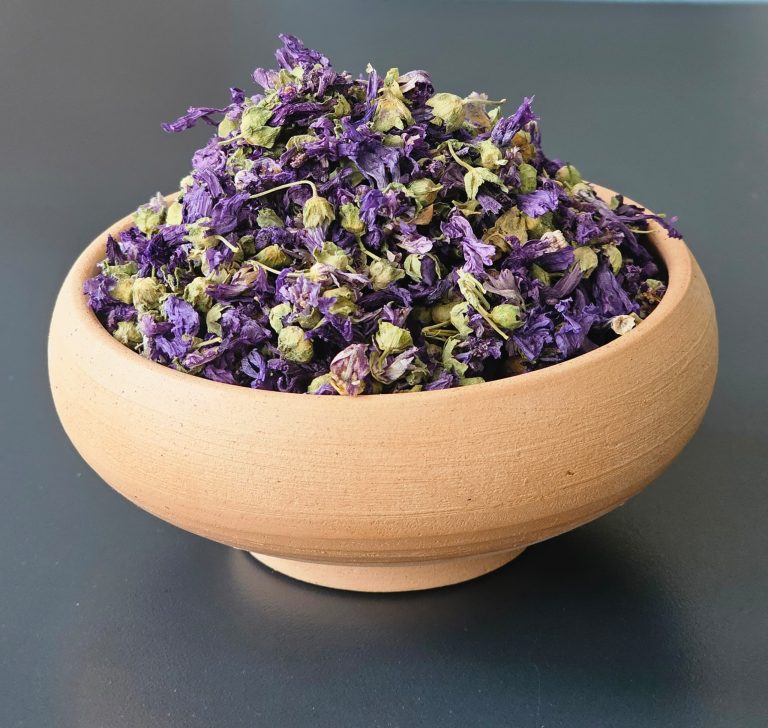
Herbs are developed by efficient methods for cultivating, harvesting, drying, and packing according to our customers’ needs. We can present our products in different forms: powder, cut, fine cut, whole, and also germ-reduced. Our customers’ satisfaction is important to us, so we do our best to select the highest-standard products for them. Traditionally, some herbs are used for the treatment of a lot of diseases since every plant consists of many useful components for the human body. In these treatments, herbs were applied in different forms such as brewing, grinding, or mixing different parts of the plants with other ingredients or applied solely on the injured organ. Even in modern times, the usefulness and sometimes miraculous effects of herbs on different diseases are emphasized. Moreover, some herbs are also used in the kitchen as spices. The ground leaves or seeds of some vegetables or herbs spectacularly change the taste of some dishes and create a real difference for the better. Rather than adding some regular spices such as pepper, turmeric, and cumin to the meal, we can take our cooking style to a whole new level by using new spices or spice-mixed herbs.

A title

Image Box text

A title

Image Box text

Our Herb List

•    Lemon Balm
•    Mixed Herbs
•    Marjoram
•    Oregano
•    Mint
•    Parsley
•    Rosemary
•    Peppermint
•    Tarragon
•    Thyme
•    Mallow Flower
•    Sage
•    Fennel
•    Chamomile
•    Chervil
•    Savory
•    Aloe Vera
•    Lemon Grass
•    Dill

Try our Mixed Herbs Specialties

After a decade of having experience, Paradis Plants is proud to supply different special herbal-spice mixtures which are ideal for changing color, flavoring, and aroma of foods. In addition, we can also develop some new mixtures according to your needs with the knowledge of our experts. These tastes are gifts of Iran’s natural herbs intended to be used as a turning table spice in your cuisines. Contact us for more information.

A title

Image Box text

Dried Rose

Dried Rose

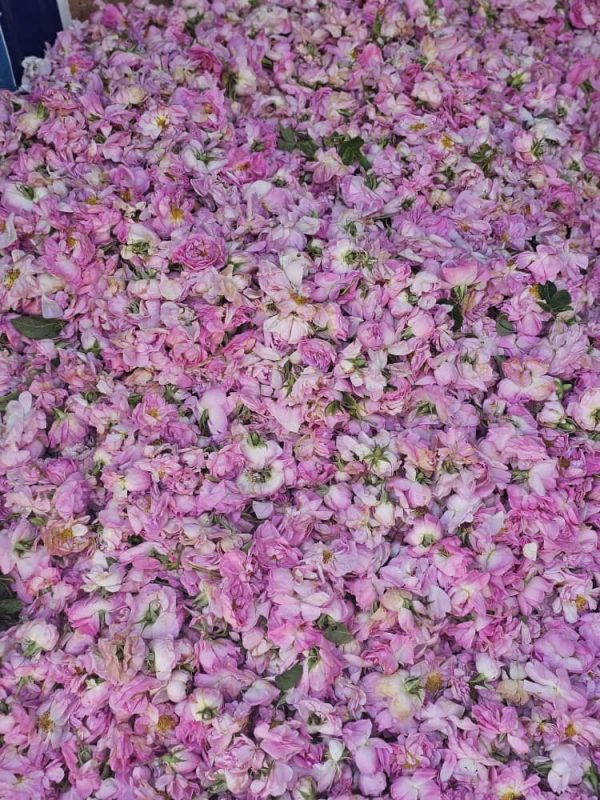
Dried rose petals are not only visually appealing but also packed with nutrients and therapeutic properties. They have been used for centuries in culinary, medicinal, and cosmetic applications.

A title

Image Box text

A title

Image Box text

Health Benefits of Dried Rose Petals

Dried rose petals are rich in antioxidants, such as polyphenols and flavonoids, which contribute to their health benefits.

Health Benefits of Dried Rose Petals:

  1. Rich in Antioxidants: The high levels of antioxidants help combat oxidative stress and support overall health.
  2. Digestive Aid: Dried rose petals are often used in teas to soothe digestive discomfort and improve gut health.
  3. Skin Health: Their anti-inflammatory and antibacterial properties make them effective in treating skin irritations and promoting a healthy glow.
  4. Mood Enhancer: The calming aroma of dried rose petals can help reduce stress and anxiety.
  5. Anti-inflammatory Properties: They may help reduce inflammation in the body, benefiting conditions like arthritis.

Nutritional Value of Dried Rose Petals

Dried rose petals are a source of essential nutrients and bioactive compounds. Here's an approximate nutritional profile per 100 grams:

A title

Image Box text

A title

Image Box text

Uses of Dried Rose Petals

  • Culinary: Dried rose petals are used in teas, desserts, and traditional dishes like gulkand (a rose petal preserve).
  • Cosmetics: They are a common ingredient in face masks, scrubs, and bath soaks for their soothing and rejuvenating effects.
  • Aromatherapy: Their fragrance is used in potpourri and essential oils to create a relaxing atmosphere.

Add a new location

Edit Location

Add up to 5 images to create a gallery for this location.

×